



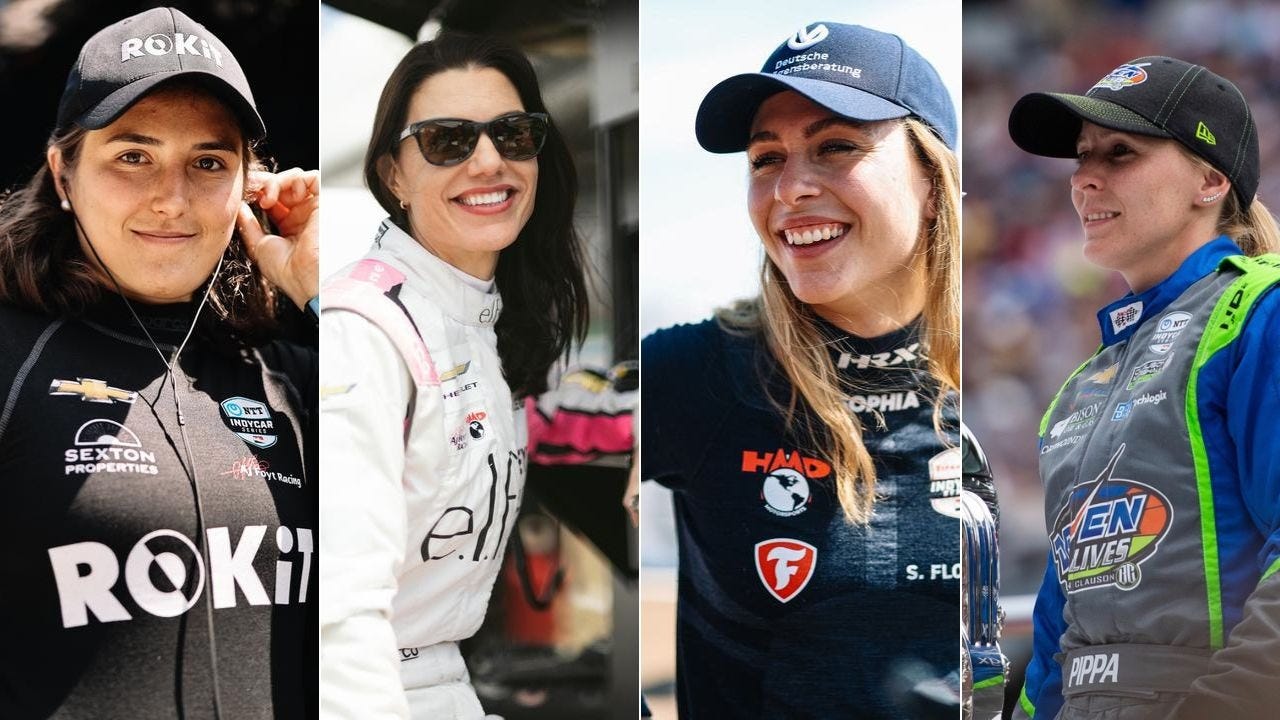
IndyCar and its Feeder Series have a long history of women competing within its ranks from the 1970s onwards until as recently as this year when Katherine Legge entered the Indianapolis 500. While drivers such as Ana Beatriz drove for large majorities of an entire IndyCar season, the series hasn’t seen a full time female driver Danica Patrick competed for the entire year back in 2011. Instead, we’ve witnessed drivers like Pippa Mann and Tatiana Calderon enter and re-enter the series over a number of years to compete in a handful of races with large gaps in between.
In Indy NXT too, we’ve not had a full time driver since Hailee Deegan in 2025.
But could all that be about to change? 2028 might just be a turning point.
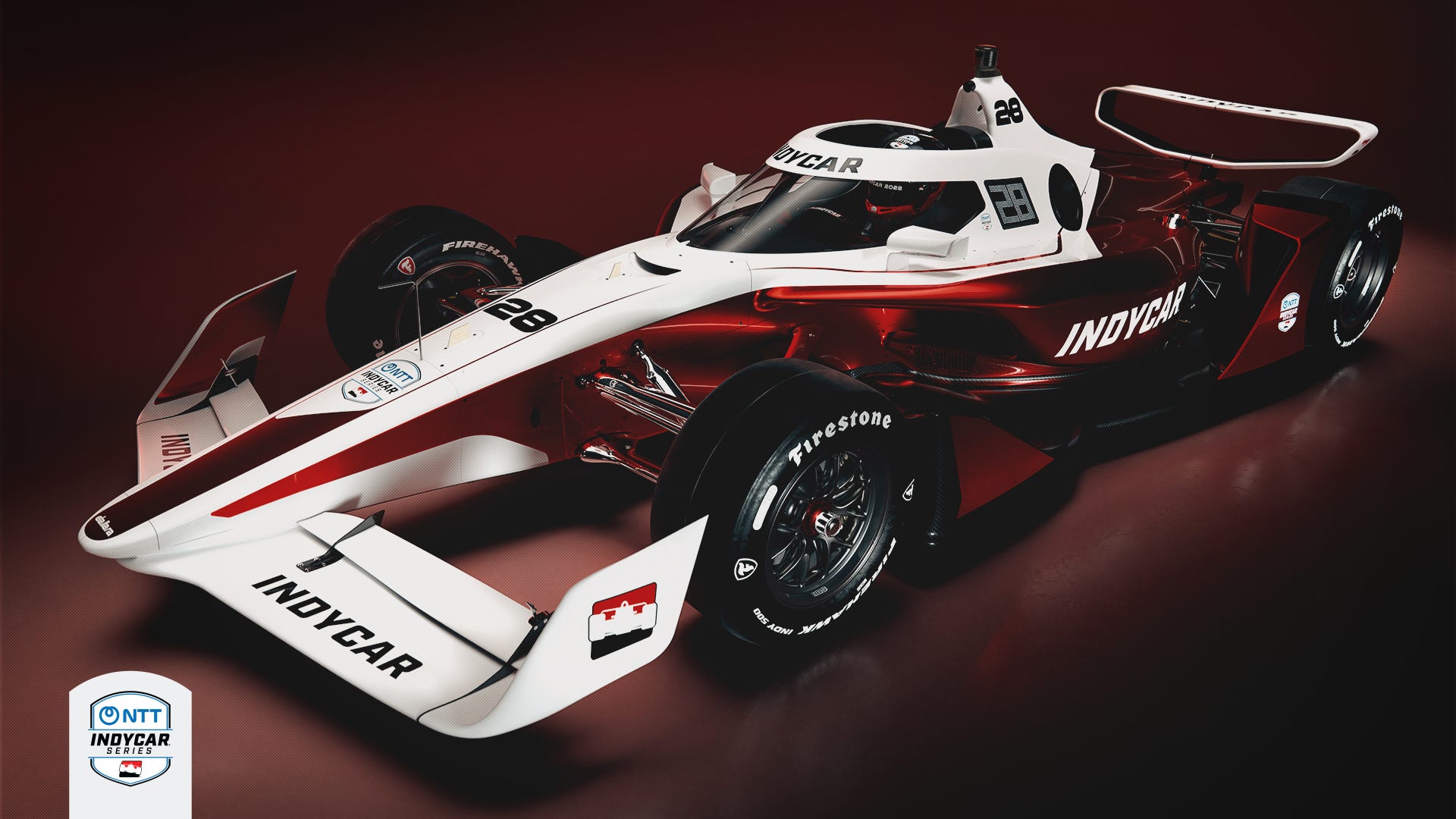
Earlier this year, IndyCar announced and revealed its brand new car which will debut in 2028. There was a lot to love about the new car from the increased power, the graphic displays and the aerodynamic packages. But one of the other new elements to the car that was unveiled was the fact that the cockpit had also been completely redesigned so that it would be better able to accommodate a larger set of body types. While some took this to mean that taller and wider drivers would now be able to fit into the car with ease - it also reminded others of a similar occurrence from just a few years ago.
Formula 2 and Formula 3 redesigned their cars back in 2024 with part of the aim for the change being to enable the cars to better cater towards female drivers for if and when they entered the series. Sophia Flörsch and Tatiana Calderón were key parts to making sure this transition was successful as they tested the new cars out during development. While on paper and from testing, these changes would appear to have been successful, none of the teams in either series since then have actually signed a female driver for a single race, let alone an entire season, for the world to see how much has actually changed.
With IndyCar’s announcement of their 2028 offering, the same thoughts began to stir once again. With five women having competed in Indy NXT since its rebrand, with Jamie Chadwick being the most successful of these, the Feeder Series to IndyCar itself has shown that women can come and compete and not simply make up the numbers on the grid. Perhaps with this redesign for 2028, we’ll see a few more enter the series in 2027 after a drought of female talent on the grid this year and then make that final step up into the top tier of IndyCar.
What’s more, IndyCar has a real opportunity here to outwit and outclass its main rival in Formula 1. The latter hasn’t seen a female driver in any Grand Prix weekend session since Susie Wolff back in 2014. While drivers like Jessica Hawkins and Doriane Pin have driven in F1 machinery in private tests, it’s the closest any woman has come in over a decade. F1 Academy too appears to be struggling to deliver on its ambition to place any of its drivers onto the next wrung up the motorsport ladder once their time in the F1A series has come to an end. None of the Champions of the series have made it to Formula 3, nevermind any of the other drivers linked with Formula 1 teams. Just look at Maya Weug’s recent announcement about her struggles in 2026 to see just the latest example of this.
While the cost of motorsport is still high and is always a factor, perhaps Indy NXT and by extension IndyCar, is where the answer lies for these drivers instead. It’s worked for other drivers who were only able to rise as high as Formula 2, such as Christian Lundgaard and Marcus Armstrong, so why couldn’t it be the solution here again?
Moreover, you have to go all the way back to 2017 for a driver who won the Indy NXT Championship to not have made it into IndyCar for at least one full season afterwards. You won’t have to win the Championship to get your chance to race at the top of the IndyCar ladder either. Just look at Jacob Abel and Caio Collet as examples of this. Pippa Mann and Ana Beatriz are also two female drivers who didn’t win the Championship in Indy Lights but were still able to race in the IndyCar Series. It can be done - it has been done - and it can happen again.
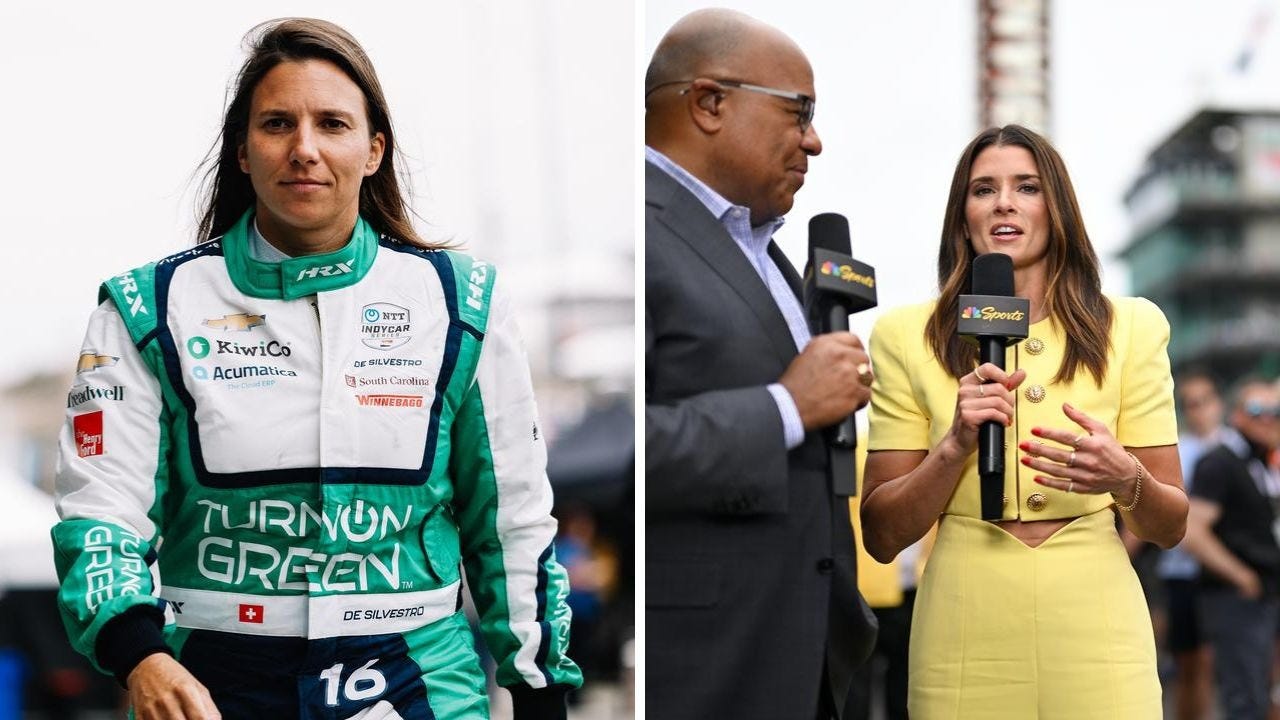
There are teams in IndyCar too that have fielded female drivers over the years with Dayle Coyne Racing and Dreyer & Reinbold the principal two amongst these but with Andretti also included in the list as the team for whom Danica Patrick raced for and stood on the podium with, including her win in Japan.
Relationships between Indy NXT and IndyCar teams have also strengthened over the last couple of years, making that jump up theoretically smoother and more straightforward for the drivers and demonstrates a clear pipeline through which for talent to flow.
IndyCar’s history of female drivers, both part-time and full-time since the 1970s combined with the streamlining of its relationship with Indy NXT teams and its brand new completely redesigned car for 2028 means that this could be the best chance for almost two decades for a woman to compete in the series full time. Thanks in part to series like F1 Academy, female focused brands and companies are seeing the advantages of getting involved in motorsport too, potentially at least partly solving the sponsorship/financial problem that still plagues all drivers. For the teams too, the marketability and good PR that would come off the back of such a signing would be incredible. The more one sits with the idea, the more it makes sense.
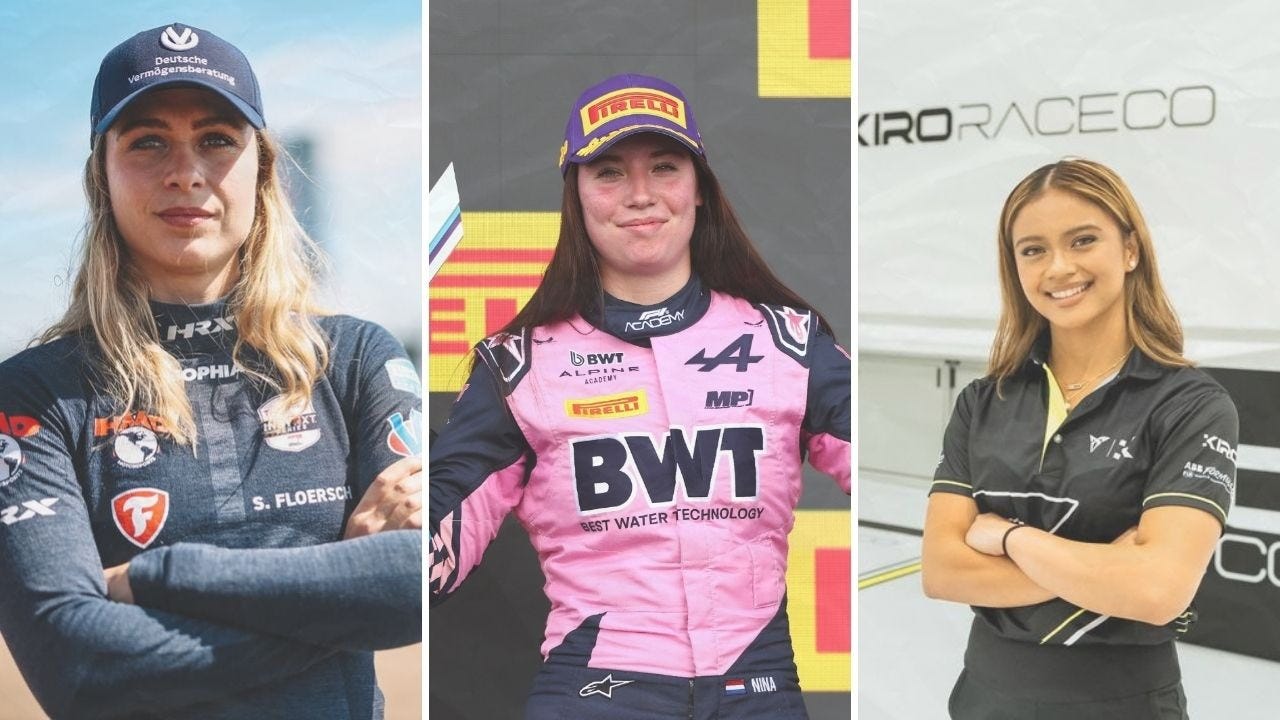
If we were to see a female driver in 2028 in IndyCar, who would it be and are there any good enough to take on the challenge of IndyCar? In short, yes. The possibilities are vast but given the press attention on them and the optics for IndyCar to get one over on a goliath like Formula 1, drivers such as Marta Garcia, Sophia Flörsch, Maya Weug, and Abbi Pulling all come to mind as immediate contenders. Bianca Bustamante too, currently competing in the Europ-Cup 3 Series for Palou Motorsport, owned by reigning IndyCar Champion Álex Palou also comes to mind given the links between the team for which she competes and IndyCar through Palou. A season in Indy NXT in 2027 would help each of them learn many of the tracks that IndyCar races on and to establish and build relationships with teams in IndyCar too.
What’s more, a partnership with an organisation such as the Shift Up Now Foundation would help these drivers to solidify their presence in the United States of America and Canada while also opening up other avenues of racing for the drivers too.
But this isn’t the only tool in the arsenal that could be used. Sim Racing has been on the rise over the last decade and we’ve seen female drivers use this to their advantage when it comes to staying in touch with the racing world when times are tough. Nina Gademan is the best example of this as she went from Sim Racing to a Wild Card Entry at her home race in Zandvoort in F1 Academy which led to her securing a full time seat on the grid, backed by the Alpine F1 Team, with two wins and three podiums to her name already. IndyCar already has an established relationship with iRacing which drivers and teams use for their simulator work and the series has also announced a IndyCar specific video game to be launched next year.
At the Global Games Show 2026 earlier this year, many of the discussions were focused around the evolution and impact of video games and how they’re being used to develop meaningful projects and communities both online and in the real world. This IndyCar/iRacing relationship and the expansion of it with the launch of this video game is a natural example of this theory in action and the application of it to get a female racing driver on the Indy NXT and IndyCar grids over the next two years is clear to see.
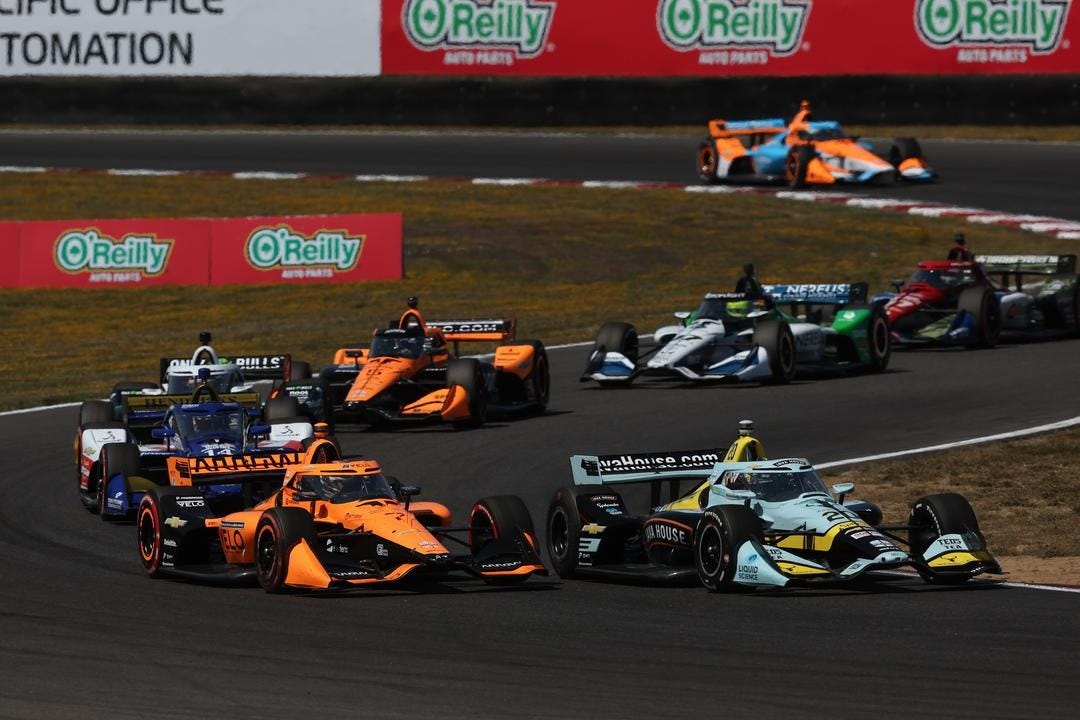
IndyCar is on the rise. So are women in motorsport across the globe. At a time where Formula 1 is attempting to figure out what it has to do to stay fresh and both attract and retain its audience, their American cousins could beat them to the punch. The talent is there. The resources to develop that talent are continuously evolving and becoming more and more accessible. The pipeline for progress is open and new revenue streams and opportunities are available that simply weren’t a decade ago. With a growing audience, not just at home in America, but around the world, IndyCar has been looking at how best to keep building this momentum and in doing so, may have just created some of the best conditions we’ve seen in recent years to female driving talent to not just enter the series, but to stay there.
Will we see a female IndyCar driver in 2028? We can only hope.