


Welcome to our Race Week Destination Guide series, where we speak with fans, creators, and journalists who are local to a race or have experienced it firsthand, and break down what it’s actually like to attend a Grand Prix around the world.
The Canadian Grand Prix has a reputation among fans as one of the most fun weekends on the calendar, thanks to the race action, the circuit activities, and the lively city it lands in. Montreal during race week is alive in a way that very few race destinations can match, and the Canadian Grand Prix has become as much a part of the city’s identity as its food, its festivals, and its particular brand of energy with a vibe that sits somewhere between North American and unmistakably French.
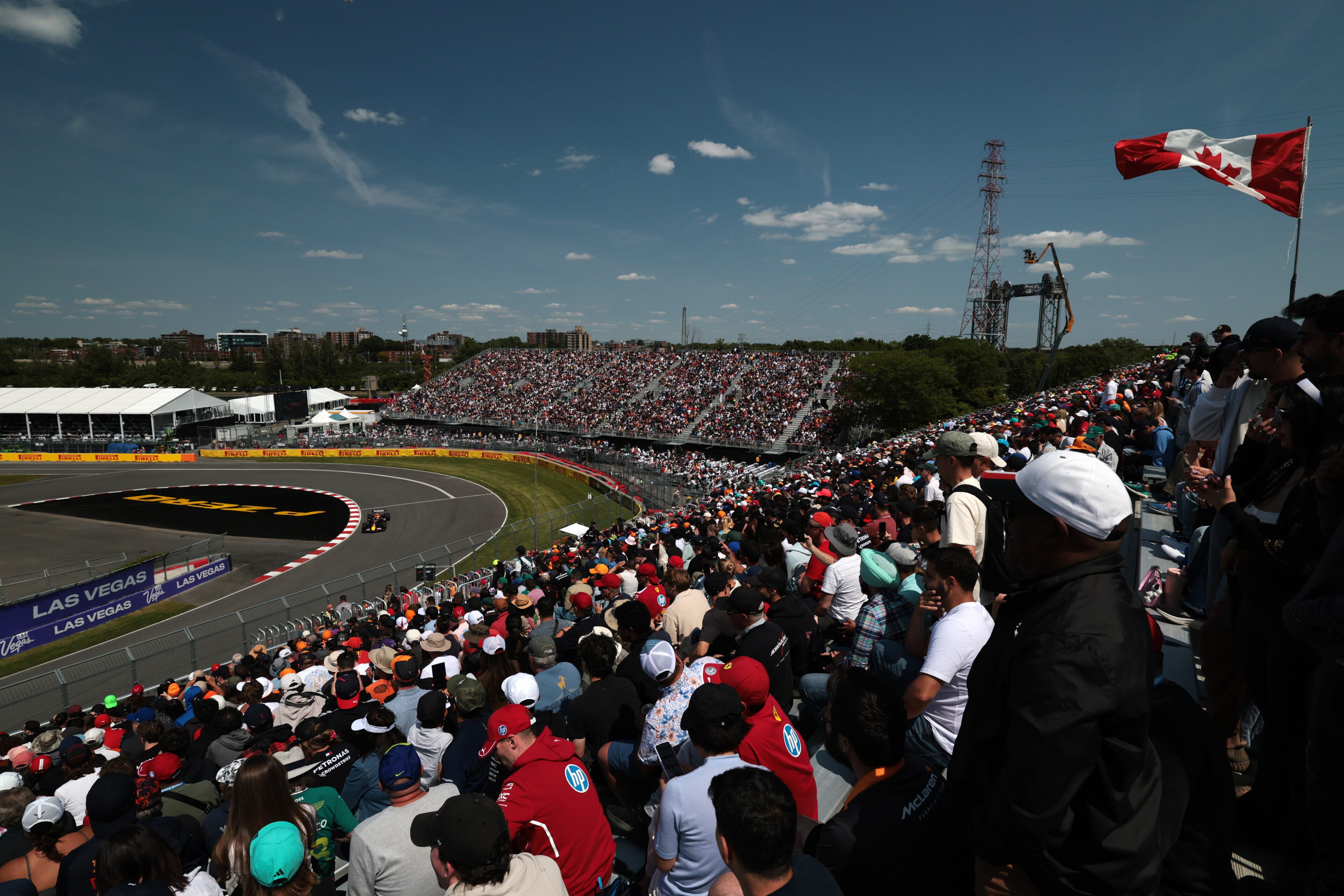
Montreal, the European capital of North America
The largest city in Canada’s Québec province is set on an island in the Saint Lawrence River. Named after Mt. Royal, the triple-peaked hill at its heart, it has the grand boulevards and café terrasses of a European capital alongside the scale and pace of a major North American city. In late May and early June, when the temperatures finally climb, and the Canadian Grand Prix rolls into town, those two worlds collide in the best possible way.
Streets that are already busy get taken over. Crescent Street, which runs through the heart of the city’s entertainment district, transforms into a week-long outdoor festival. The metro fills with people in team colours. And Île Notre-Dame — a man-made island in the middle of the St. Lawrence River — becomes the unlikely home of one of motorsport’s most iconic circuits.
To understand what Montreal race week actually feels like, we spoke with Jezabel, a 22-year-old local content creator and fan who lives near the city and attended her first Grand Prix in 2024. Since posting her first video in September of that year, she’s built a community of motorsport fans and is known for giving great advice to attend her home race.
“Montreal is honestly such a fun city as there’s always something to do,” she tells us. “It has a mix of European and big-city vibes that makes it feel very different from other places in Canada. You can spend the day walking around in Old Montreal, trying amazing restaurants and coffee shops, shopping, going to festivals, or just enjoying what downtown has to offer.”
For fans arriving from outside Canada, or even from other parts of the country, that mix is one of Montreal’s most reliable surprises. It doesn’t feel like anywhere else.
What’s happening at the 2026 Canadian Grand Prix?
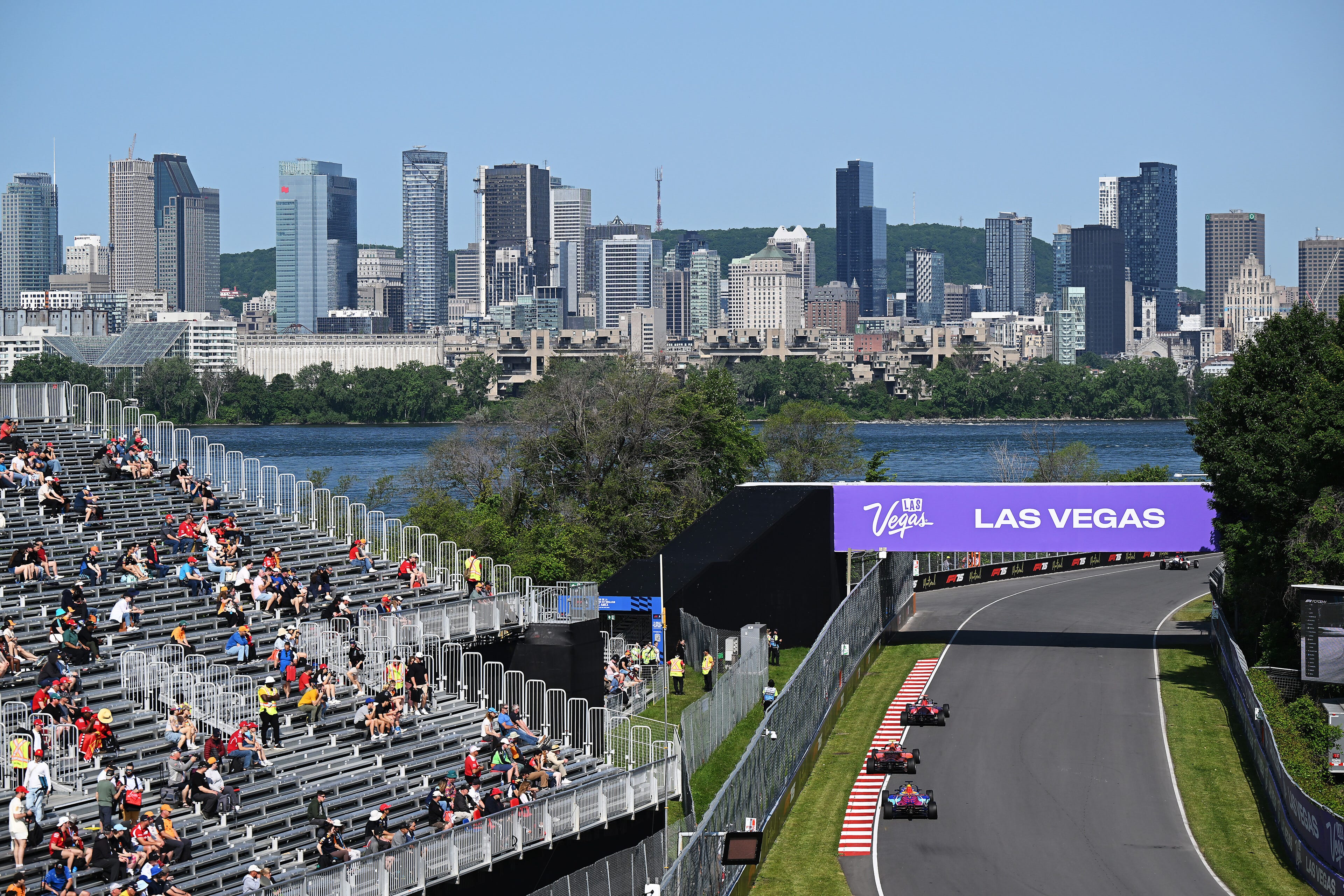
The 2026 Canadian Grand Prix runs from May 22–24 at Circuit Gilles Villeneuve, a track that winds around the perimeter of Île Notre-Dame in the St. Lawrence River. It’s a street-style circuit — fast, punishing on brakes, and famous for the Wall of Champions, the barrier at the final chicane that has ended more than a few promising race days.
This year is also a Sprint weekend for Formula 1, which means the schedule is packed tighter than usual. There is barely a gap between sessions, and if you like your race weekends dense with on-track action, Montreal delivers exactly that. Formula 1 arrives here, coming off the Miami Grand Prix a fortnight earlier, and the momentum of the season will be building.
It also marks the return of F1 ACADEMY and Formula 2, with the Canadian round carrying even more weight. Due to the cancellation of the Saudi Arabian Grand Prix, both championships faced a calendar gap that needed to be made up. For F1 ACADEMY, the solution came in the form of a three-race format in Montreal, and again later in Austin. What that means in practice is that fans at Circuit Gilles Villeneuve get more F1 ACADEMY racing than a standard weekend would offer.
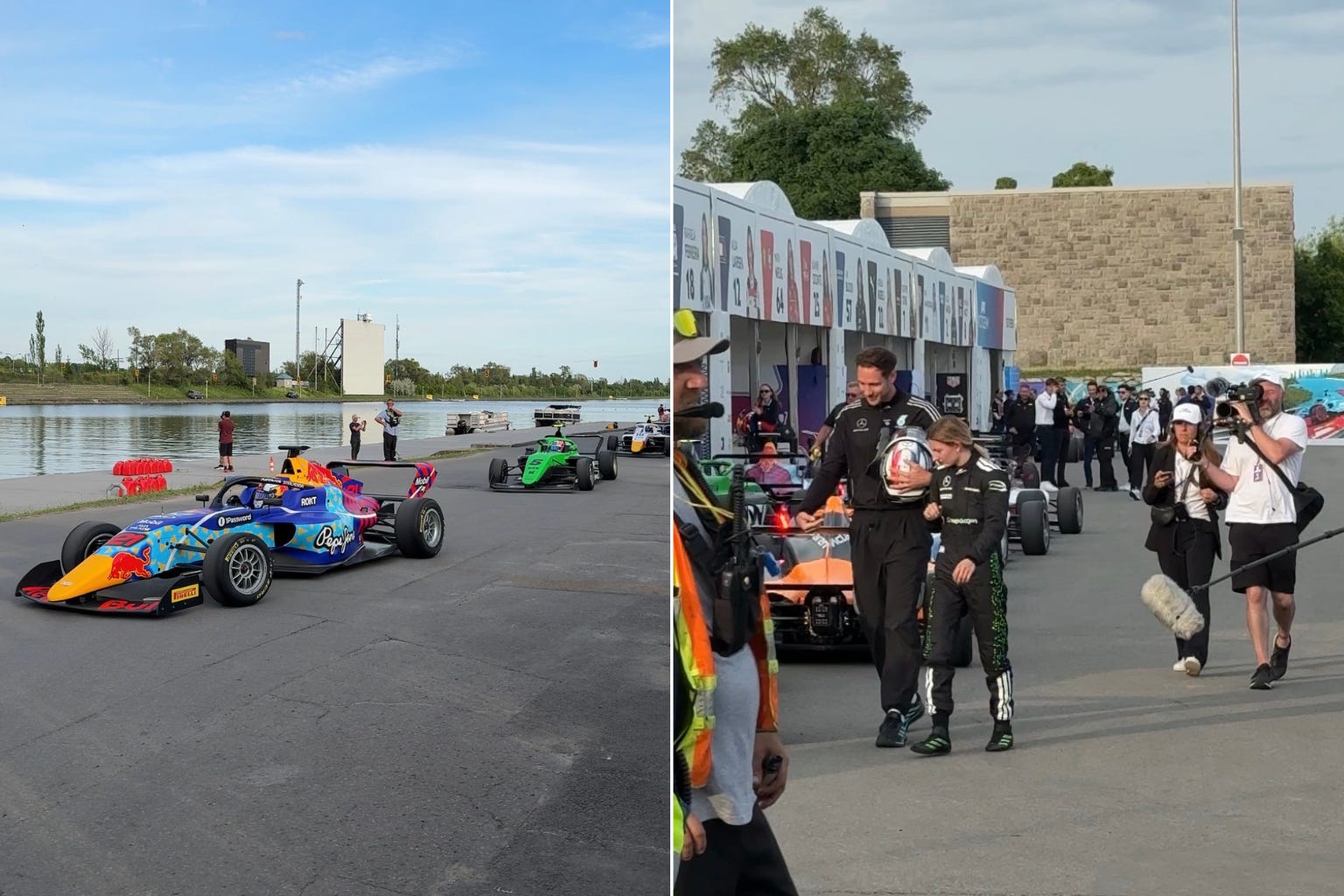
And unlike most rounds on the calendar, fans of the all-female championship can get genuinely close. There is public access to the F1 ACADEMY paddock located in the orange zone, behind Grandstand 15, where you can step behind the scenes, watch the teams at work in the garages, see the cars up close, and catch autograph sessions with the drivers. Montreal is also where Disney and F1 ACADEMY kick off their new collaboration, bringing Minnie Mouse and Daisy Duck into the race weekend through trackside moments and new product launches available to buy at the circuit.
Fanzones, brand activations & evening concerts
The circuit offers several dedicated fan areas worth building your day around. The Fanzone F1, situated in the yellow zone behind Grandstands 34 and 47 in the centre of the island, brings together activities from Formula 1 and its partners — pit stop challenges, racing simulators, brand activations, and the kind of interactive experiences that make the gaps between sessions disappear. The Heineken Terrace, also in the yellow zone behind the Casino, works as a relaxation space during the day and shifts into something livelier by evening, with seating giving way to a proper party atmosphere once the on-track action wraps up.
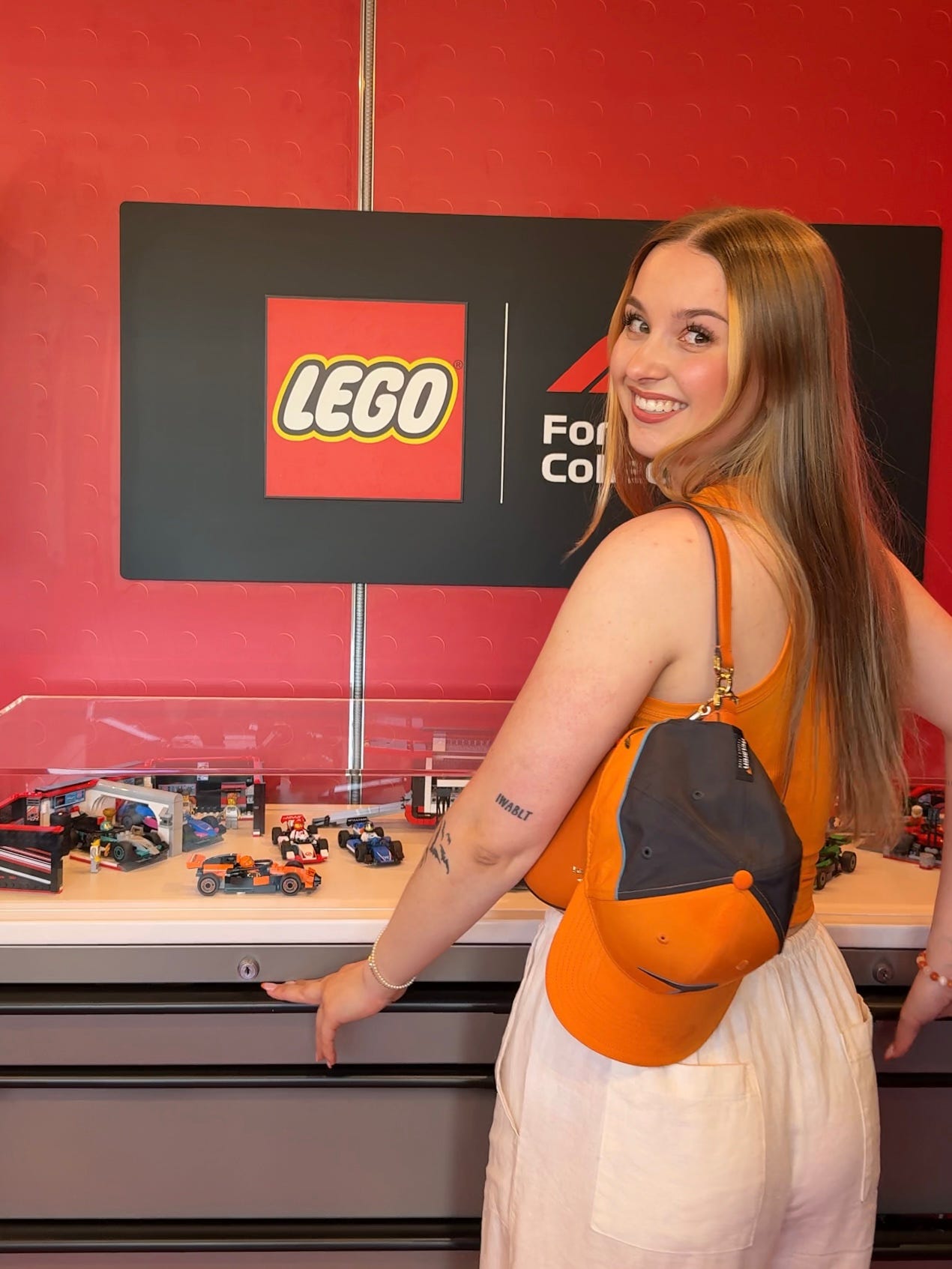
“There’s a lot of things to do,” Jezabel told us. “On the circuit, there’s going to be all sorts of activities like pitstop challenges, racing simulators, brand activations (like LEGO last year where you built your own mini F1 car), the Monster Energy fanzone, and more!”
There’s also the CGV Experience, a new General Admission offer that bundles race access and evening concerts into a single ticket. After a full day of racing, ticketholders get access to live concerts in a beach zone located right in the heart of the circuit, with an entirely Canadian lineup: Matt Lang, Simple Plan, Dean Brody, Bryan Adams, The Beaches, and Alessia Cara. It’s not a bad way to end a race day. If you want the Grand Prix to feel like a festival as much as a sporting event, this is the option that closes that gap and one that few other races in the calendar offer.
Formula 1, brand activations & hockey take over the city
What makes Montreal unusual as a race destination is how far beyond the circuit the Grand Prix actually reaches. The city doesn’t just host Formula 1. It absorbs it, and Crescent Street is the epicentre. For the duration of race week, this stretch of bars, restaurants, and terrasses becomes a continuous outdoor party, with team flags hanging from buildings, fans spilling onto the street, and a noise level that suggests nobody plans on going home early. It’s where you go to feel the full weight of what race week in Montreal means.
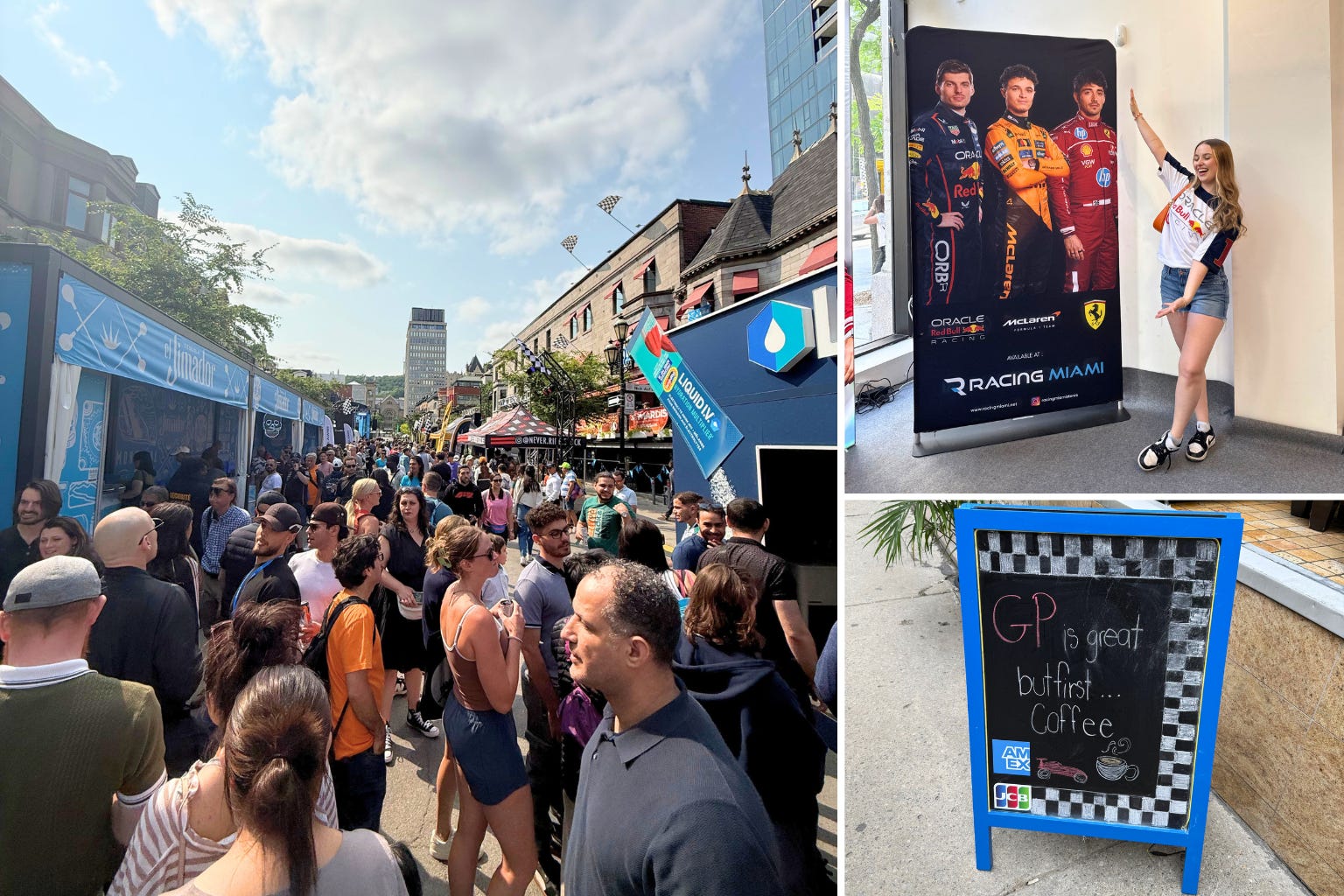
This year adds a few specific brand activations worth planning around:
The Adidas store on Saint-Catherine is hosting a joint Audi and Mercedes activation from May 22–24.
Audi is also staging its RUE 26 experience at the Montreal Clock Tower on the evening of May 22, an outdoor event that’s free to attend and worth building your Thursday around.
Cadillac is celebrating its debut season with the Cadillac Hub at Fairmont The Queen Elizabeth from May 22–24. Expect an F1 show car alongside their V-Series lineup, Tommy Hilfiger x Cadillac F1 merch drops, F1-inspired simulations, and appearances from actor Lou-Pascale Tremblay and Juno Award-winning artist ToBi, plus a chance to win $75,000 toward a Cadillac vehicle.
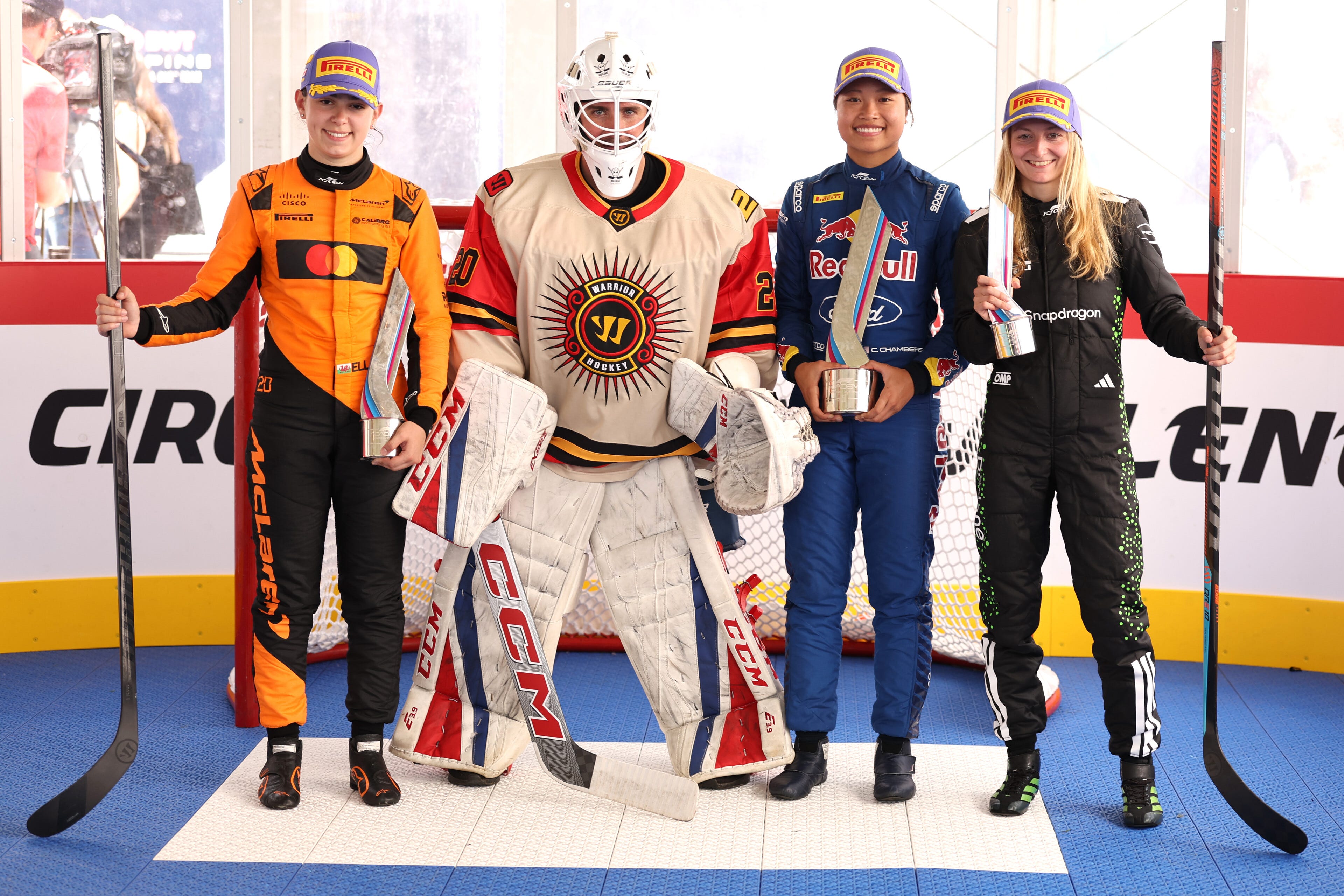
And if you happen to be a hockey fan, or simply want to understand a core part of Canadian culture, the Montreal Canadiens have qualified for the Stanley Cup playoffs and have a game during the 2026 Canadian Grand Prix weekend. This means the area around the Centre Bell will come alive with fans watching on big outdoor screens. It’s the kind of spontaneous, city-wide energy that you just have to be there to live it.
Getting to the circuit & moving around
Getting to the circuit is one of the easiest parts of the Montreal weekend. The metro runs directly to Parc Jean-Drapeau station, a short walk from the circuit, and during race week, the carriages fill with fans in team colours. The journey becomes part of the experience. Driving is the one thing to avoid. Traffic around the island during race weekend turns short journeys into very long ones, so leave the car behind.
“The easiest and most used way is definitely by public transport. It’s so easy to get around town using the metro, even if you’re not a local,” Jezabel says. “I had so many nice conversations during the Grand Prix week by just randomly talking to people who were wearing F1 merch and it was so fun!”
For disabled fans, the circuit has wheelchair-accessible sections across most grandstands, but the pedestrian bridges between areas of the island involve stairs and are worth checking in advance on the circuit’s official accessibility map. In the city, Sainte-Catherine Street has been under construction for some time and can be slow to navigate during race week with the added crowds. It’s not a dealbreaker, but worth factoring into your plans.
Where to stay, eat, and explore
The best rule for race week accommodation is simple: prioritise metro access over being downtown. Prices in the centre climb sharply during Grand Prix week, but the line extends north to Laval where you’ll find significantly better value. If you want to stay central, the neighbourhoods around Guy-Concordia or Peel stations put you within walking distance from most of the action.
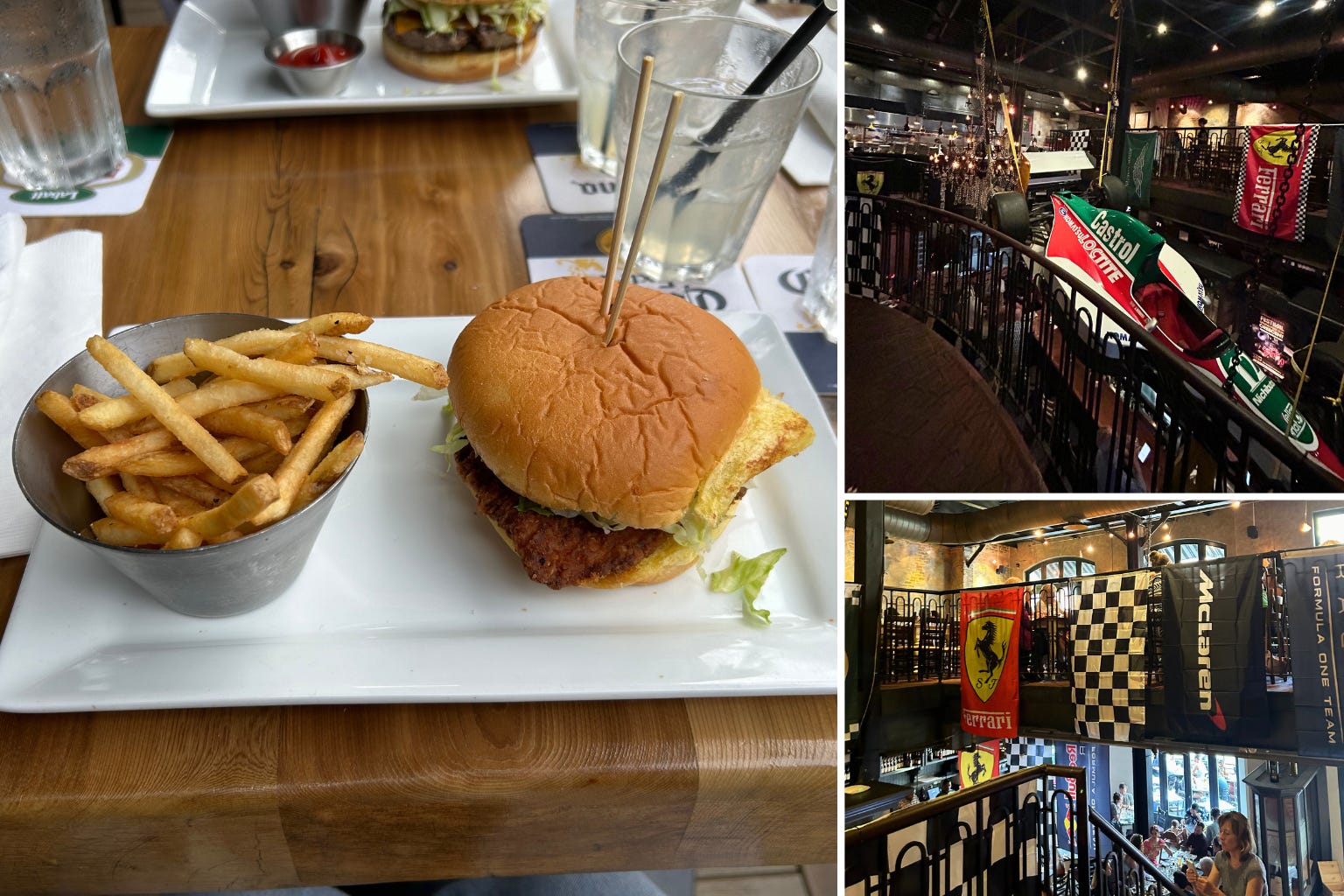
For food and atmosphere, Crescent Street is the obvious starting point and deservedly so. Jezabel has two firm recommendations there. Wienstein & Gavino’s is an Italian restaurant that commits fully to race week — team flags, a vintage F1 car hanging from the ceiling. “I went there two years ago during the F1 week and it was amazing,” she says. Le Warehouse is the more casual option: good burgers, a big terrace, cocktail promotions running through the GP week, and a pub atmosphere in the evening. Both are worth it.
Beyond Crescent Street, the city rewards wandering. Old Montreal has cobblestone streets, waterfront views, and Jezabel’s personal approach to it: “Walk around, go into every general store, find some unique things, get some ice cream and admire the view in the Old Port.” Mont-Royal park is worth the climb for the Kondiaronk lookout, and she adds a detail that’s hard to ignore:
“If you go early in the morning and get lucky, you might even see an F1 driver there. Each year at least one goes to enjoy the view.”
The Plateau-Mont-Royal neighbourhood — independent cafés, weekend markets, terrasses that fill up the moment the sun appears — is where Montrealers actually spend their time. It has no Grand Prix activation attached to it, and that’s exactly the point. And for a shopping spree, Sainte-Catherine Street and the Eaton Centre cover the mainstream, plus Saint-Denis for independent and vintage shops.
Is the Canadian Grand Prix for me?
Montreal is one of the most accessible Grand Prix destinations on the calendar. It doesn’t ask much of you before it gives back. The metro works. The food is good. People are friendly and will talk to you, no matter where you are from. The circuit is genuinely exciting from almost any grandstand. And the city vibe is unique.
In terms of pricing, a three-day general admission weekend pass starts at $410, saves you from queuing each day, and is worth picking up before the weekend starts. Day passes are also available starting at $95 and are worth considering when your budget is tight. And bundles for race access and evening concerts start at $287. We always recommend buying your tickets from the official channels, such as the F1 Tickets site or the Grand Prix and circuit official sites, to avoid scams and other potential issues.
If your love for racing expands to your little ones, the Canadian Grand Prix is also a genuinely family-friendly weekend, something difficult to find on the calendar. Children 11 and under get free entry with a regular ticket holder, and between the fan zones, the amusement park on the island, and everything the city offers — the Biodôme, the Planétarium, the Centre des Sciences — there’s enough to keep kids engaged well beyond the racing itself.
It’s also a very safe city to travel alone, having ranked as the safest city on the continent and the second-safest in the world, plus Canadians are well known for their politeness and hospitality. Montreal operates in both French and English, but a little French goes a long way — Bonjour when you walk in, Merci when you leave, and J’adore la Formule 1 when you meet another fan.
“Be polite! Hold the door for the person behind you, be patient and don’t forget to say sorry at least 5 times a day!” Jezebel joked. “Canadians are usually very understanding and easy to approach, so just being nice will do it!”
For fans who want to watch F1 ACADEMY compete, Montreal delivers great racing, and this time, multiplied. Three races across the weekend on one of the sport’s most storied circuits, after a two-month wait. And with the Canadiens in the Stanley Cup playoffs, the city has another reason to be loud this weekend, so if you know a little about hockey, locals will be happy to bring you into it.
See it for yourself
The Canadian Grand Prix doesn’t need convincing. It needs a booking.
Pack for late May weather — warm days are likely, but evenings can still be cool, and some rain might show up, so layers are worth it — download a metro map before you land, and give yourself at least a day on either side of the race weekend to enjoy the city. Walk Old Montreal in the morning before anyone else is up. Get to the Kondiaronk lookout early. Eat the smoked meat sandwich. Watch the hockey game with locals.
And when you’re on the metro on Sunday afternoon, surrounded by people in team colours with the race still buzzing in your ears, you’ll understand why this one keeps coming back to the top of people’s lists.