



The sixth round of the 2026 World Rally Championship brought the sport’s elite to the gravel roads of Northern and Central Portugal. Running from May 7–10, the Vodafone Rally de Portugal is one of the most iconic fixtures on the calendar with 23 special stages, 344.91 competitive kilometres, and the kind of crowds that only Portugal reliably delivers.
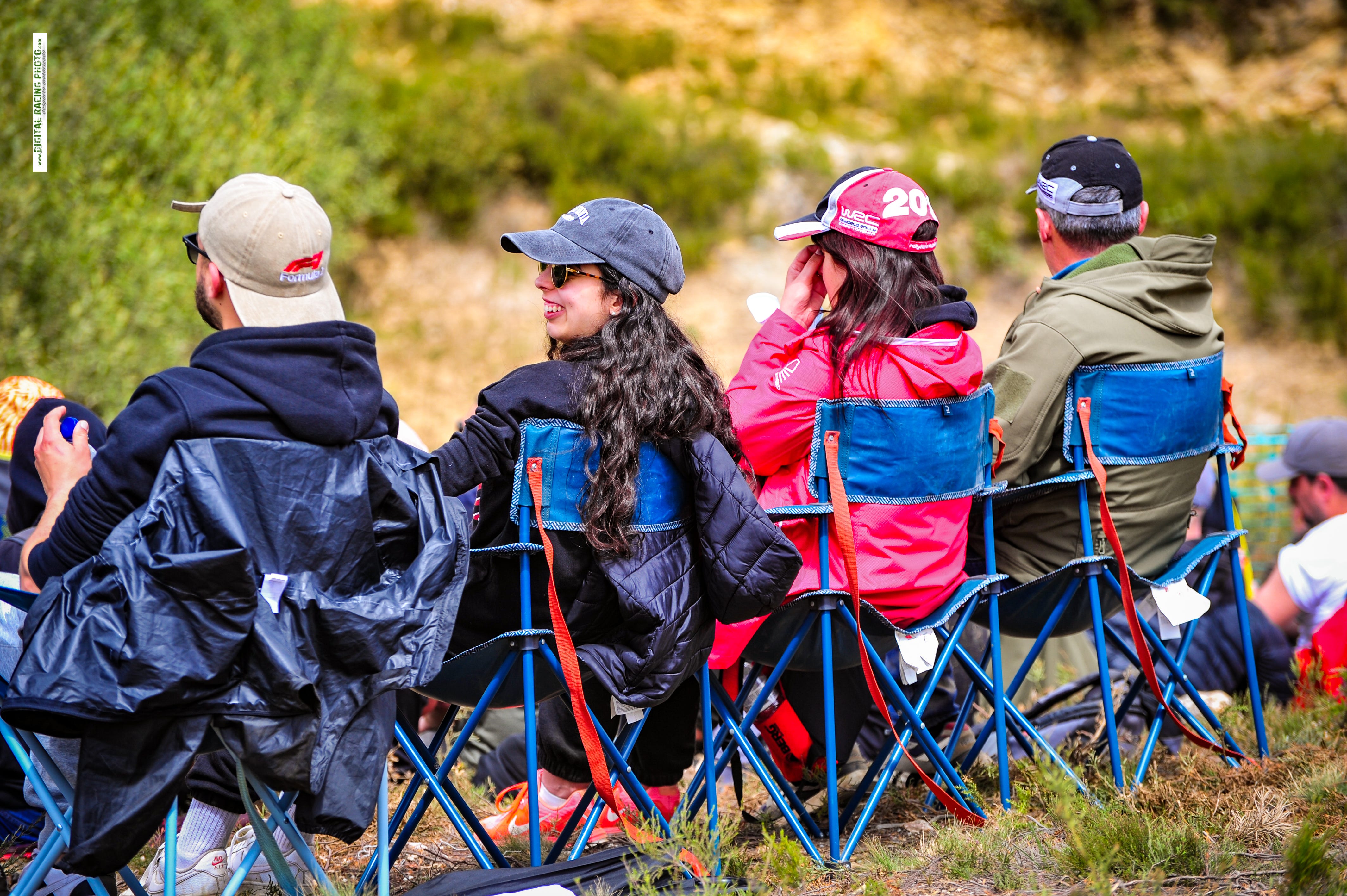
Those crowds were loud, passionate, and present despite shifting weather across the weekend, and among them, a notable number of female fans. Women were visible beyond the stands too, working across teams in roles that rarely make headlines: engineers, logistics coordinators, media and communications professionals. The infrastructure of a WRC event increasingly reflects a broader range of people, and Portugal was no exception.
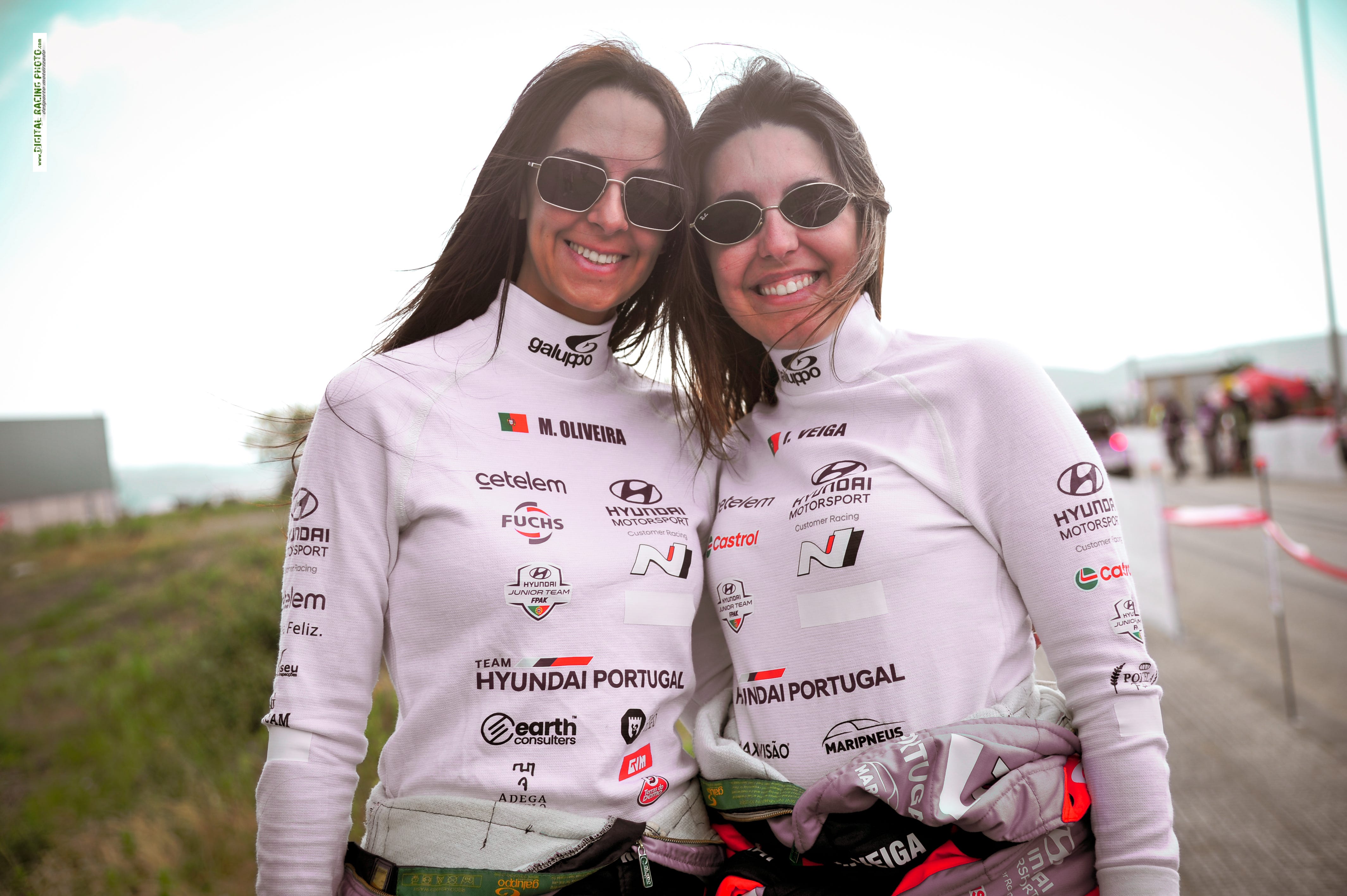
The entry list, however, tells a different story. Of the 69 competitors from 22 nationalities, just five were women: Janni Hussi, Julie Amblard, Inês Ponte Grancha, Inês Veiga, and Magda Oliveira. All five co-drivers. Five out of sixty-nine. The energy around women in motorsport is clearly growing in the stands, behind the scenes, and across the sport. It’s just not translating on track yet.
The Women Competing At Rally de Portugal Delivered
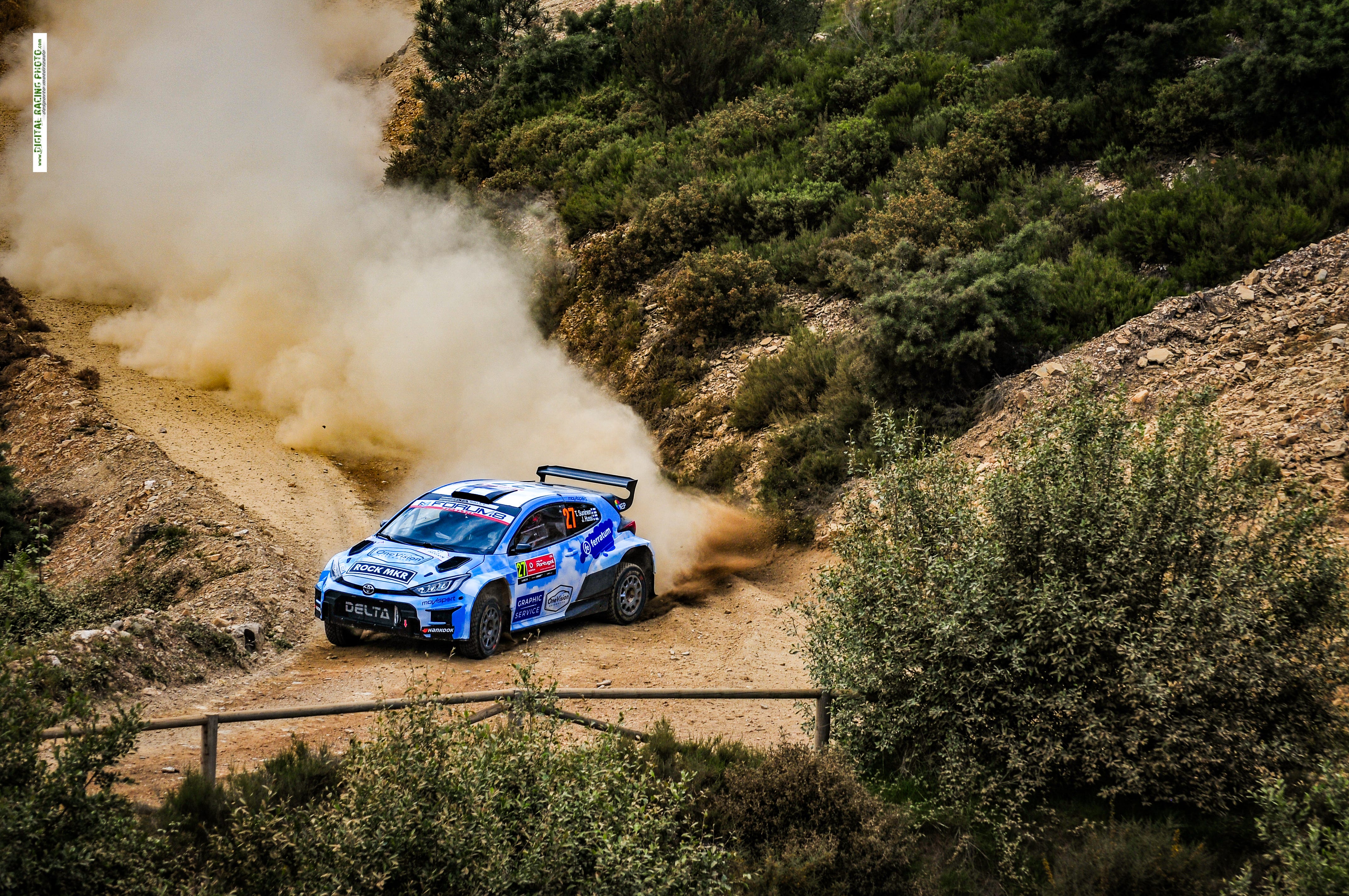
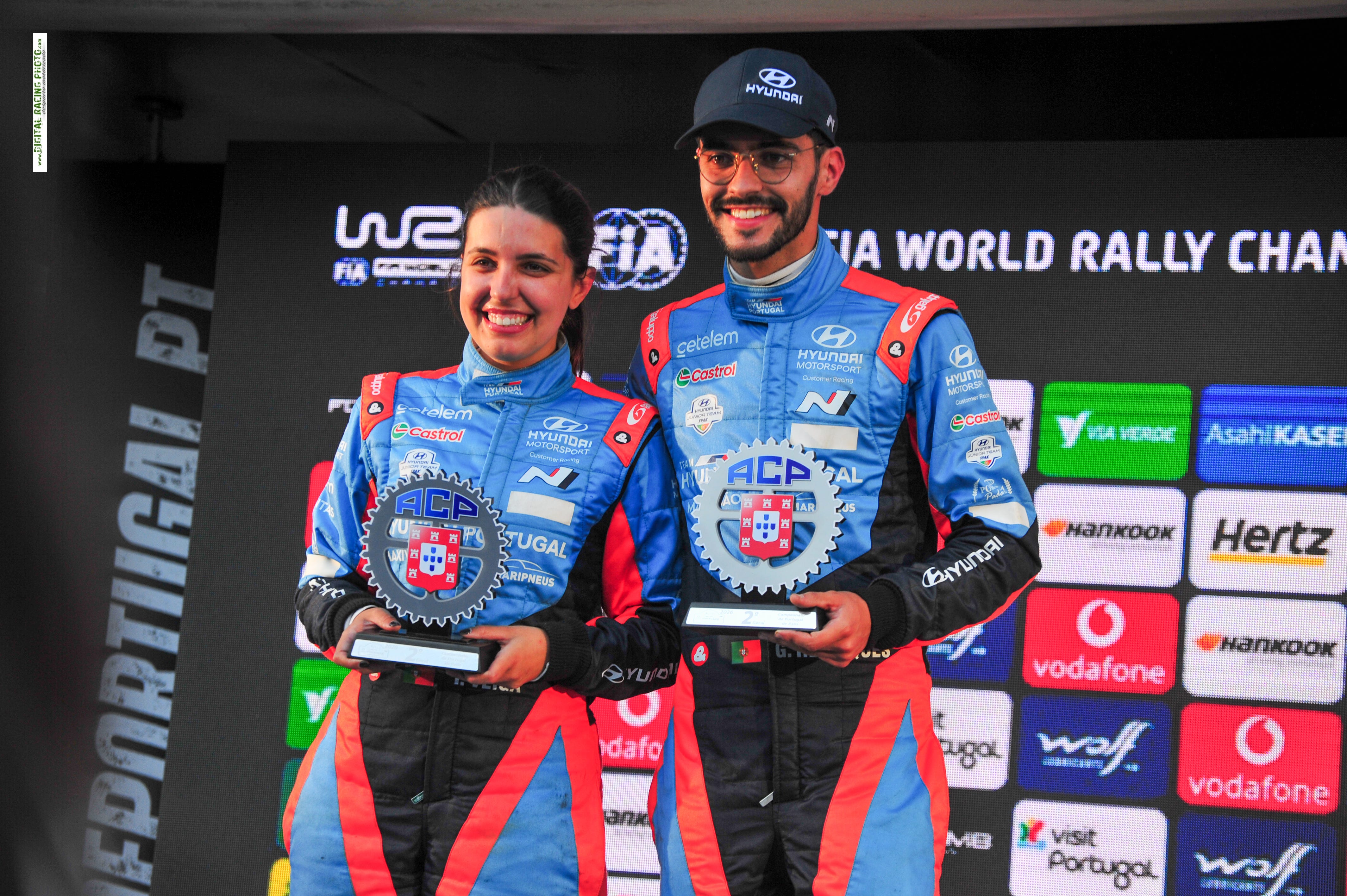
When you look at what those five women actually achieved, the quality argument makes itself. Two of the five co-drivers reached the podium. Janni Hussi, alongside driver Teemu Suninen, took the WRC2 win. Inês Veiga, alongside Gonçalo Henriques, finished P2 in the Campeonato de Portugal de Ralis and won the Power Stage. That’s two podiums from five women competing, a conversion rate that any category on the entry list would be proud of.
What makes those results even more impressive is the story behind them. Hussi accepted a live radio challenge from WRC driver Sami Pajari, fell in love with co-driving, and went from never having read a pace note to winning WRC2 in Portugal. Veiga, at just 24 and with a fresh podium from Portugal, is part of a growing generation of Portuguese women making their mark in rallying.
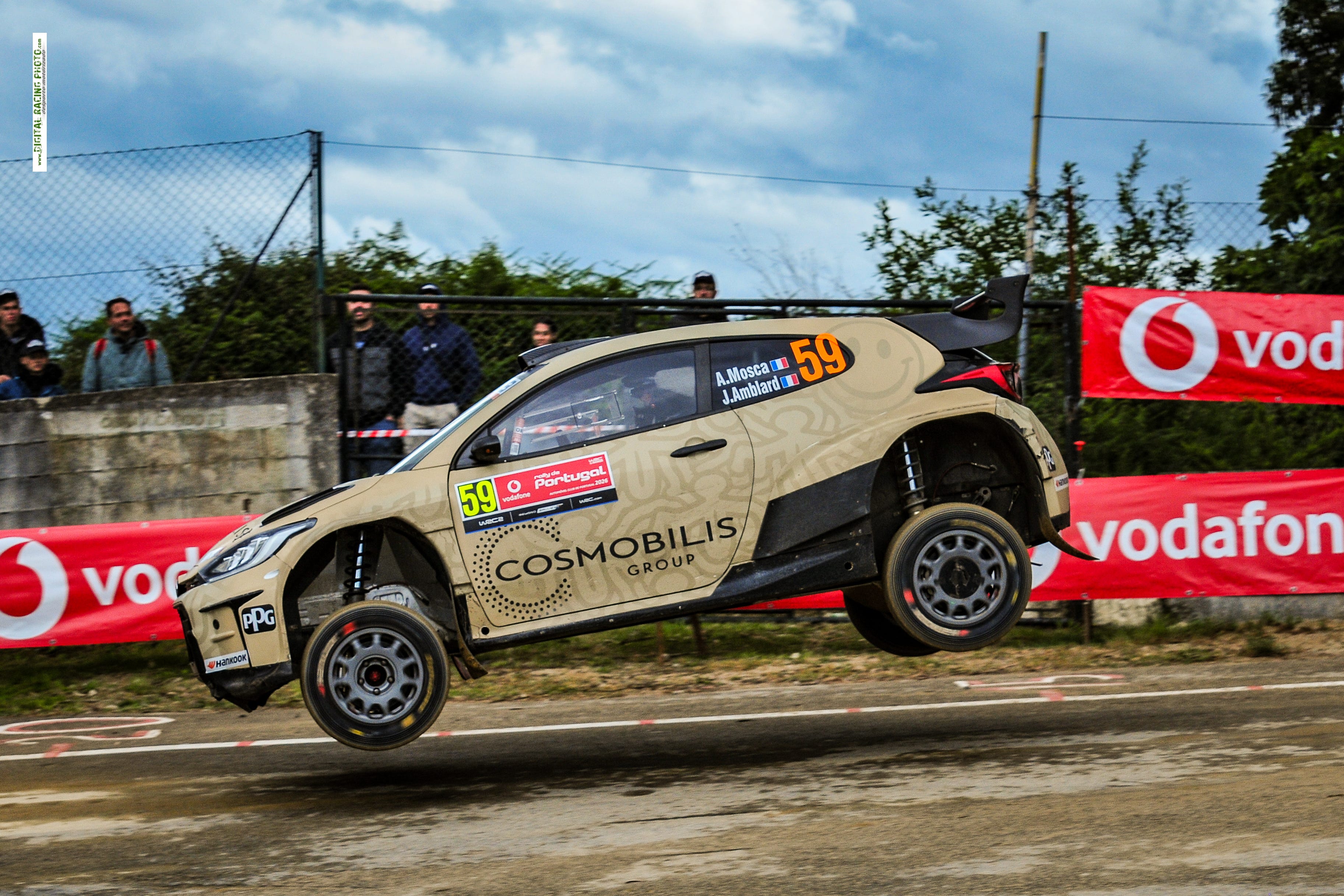
The stories of the other three women are no less remarkable. Julie Amblard is part of the Iron Dames project, the first all-female team in 35 years to finish in the top five of the French Rally Championship, and the first all-female team to compete in seven WRC rounds since Michèle Mouton. Inês Ponte Grancha started co-driving at 16 and in 2016 became the first woman to win a National Rally Championship in Portugal, a partnership with José Pedro Fontes that continues to this day. And Magda Oliveira, who claimed her first outright victory with Hugo Lopes in 2025, stepped up to Rally2 in 2026 with clear ambitions to fight at the front.
The Numbers Tell a Longer Story
In Portugal specifically, the numbers have fluctuated without ever really climbing. In 2021, only two women competed. 2022 saw four, and 2024 reached a relative high of eight, which is still just 11% of the total field. This year, five, which makes it seven per cent of the total. None of this is due to a lack of women competing in motorsport, nor to a lack of talent among those women.
It’s also not just something that has presented itself at this rally. The Monte Carlo Rally that opened the season saw five women compete, a group entirely different from those present in Portugal. Rally Sweden then saw that number drop to three, while the rounds held in Kenya, Croatia and the Canary Islands only saw one woman competing at each. In the latter two, it was the same woman.
It’s also worth noting that the five women competing in Portugal were all in the WRC2 category, with none in RC3 or RC1. While it’s great to see them represented there, the lack of any in the higher categories paints an interesting picture.
Why Aren’t There More Women Competing?
The lack of women across these rallies, particularly when taken as a percentage of the total field, speaks to a larger issue within motorsport that hasn’t been properly addressed yet, and one that isn’t localised to any one country or series.
It’s not about making sure that the women competing win races or get on podiums. Instead, it’s about women who want to compete in this field having the chance to do so, and getting that chance because they deserve it. For that to be achieved, more work needs to be done at the grassroots level, and support needs to be there as these women move up the motorsport ladder, both on and off track.
Portugal alone has a number of talented women making names for themselves in the rally world. Maria Gameiro, Bárbara Pereira and Bia Pinto are three examples of this that immediately come to mind and there are many more besides them. Game this out to all of the other nations that the WRC visits each season, before even factoring in every other country, and the prospect for a tidal wave of change and fierce competition at this level of motorsport becomes a mouthwatering prospect that fans both old and new will love.
The Future We Want To See
The WRC puts on fantastic sporting events for its fans everywhere it goes and Rally de Portugal this year was no exception. The crowds, the stages, the racing. It really delivered. But the series now has the chance to do something that other motorsport series haven’t fully cracked yet. The female fans are already there. The women working across the paddock are already there. And as Hussi and Veiga showed in Portugal, the talent is there too.
Translating all of that into more women competing on track, not just in WRC2, but across every category, would not only reflect the sport’s growing audience. It would undoubtedly improve the racing. And no one can argue against that.