


When you picture a Grand Prix weekend, the first thing that probably comes to mind is the glamour of it. The grid walk, the paddock club, the drivers stepping out under the cameras like the whole thing was built around them. Behind the scenes, it looks like something else entirely.
There’s a reason Formula 1 has been called “the big circus” for decades, and it’s not only about the entertainment. It’s a travelling sport, a small city that gets built, run, and taken apart in the same four days, over and over, on five continents. F1 ACADEMY runs on the same logic, just at a very different scale. As a single-make series built around junior driver development, the outfits are far more condensed than a Formula 1 team. Fewer people, doing more, in less space.
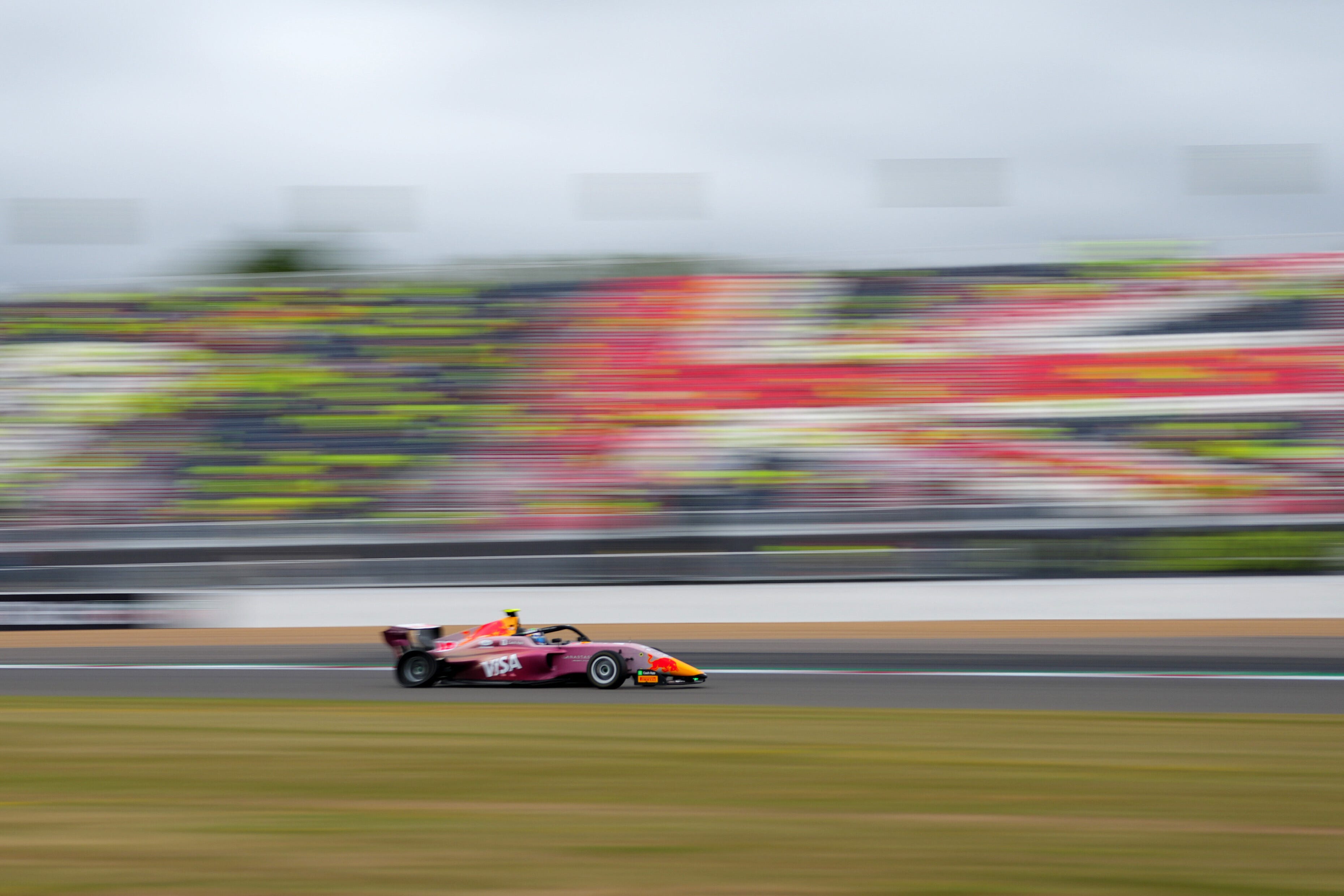
For Round 3 of the F1 ACADEMY calendar, the all-women series landed in Silverstone for the first time. It’s an iconic and historic track that drivers and fans love. The British Grand Prix was busier than usual, as they were not racing alone — Formula 1, Formula 2, and Formula 3 also had their rounds throughout the weekend. With so much happening at once, and it being the series’ first time on this circuit, what does it take for a weekend like this to run smoothly? We headed to the paddock and asked around.
Getting ready ahead of the race weekend
Because it was a new circuit, a new paddock, and a busy schedule with long hours between sessions, the teams had nothing to fall back on from the year before. Everything needed extra attention. Luckily, the weekend offered fairly comfortable and warm summer conditions.
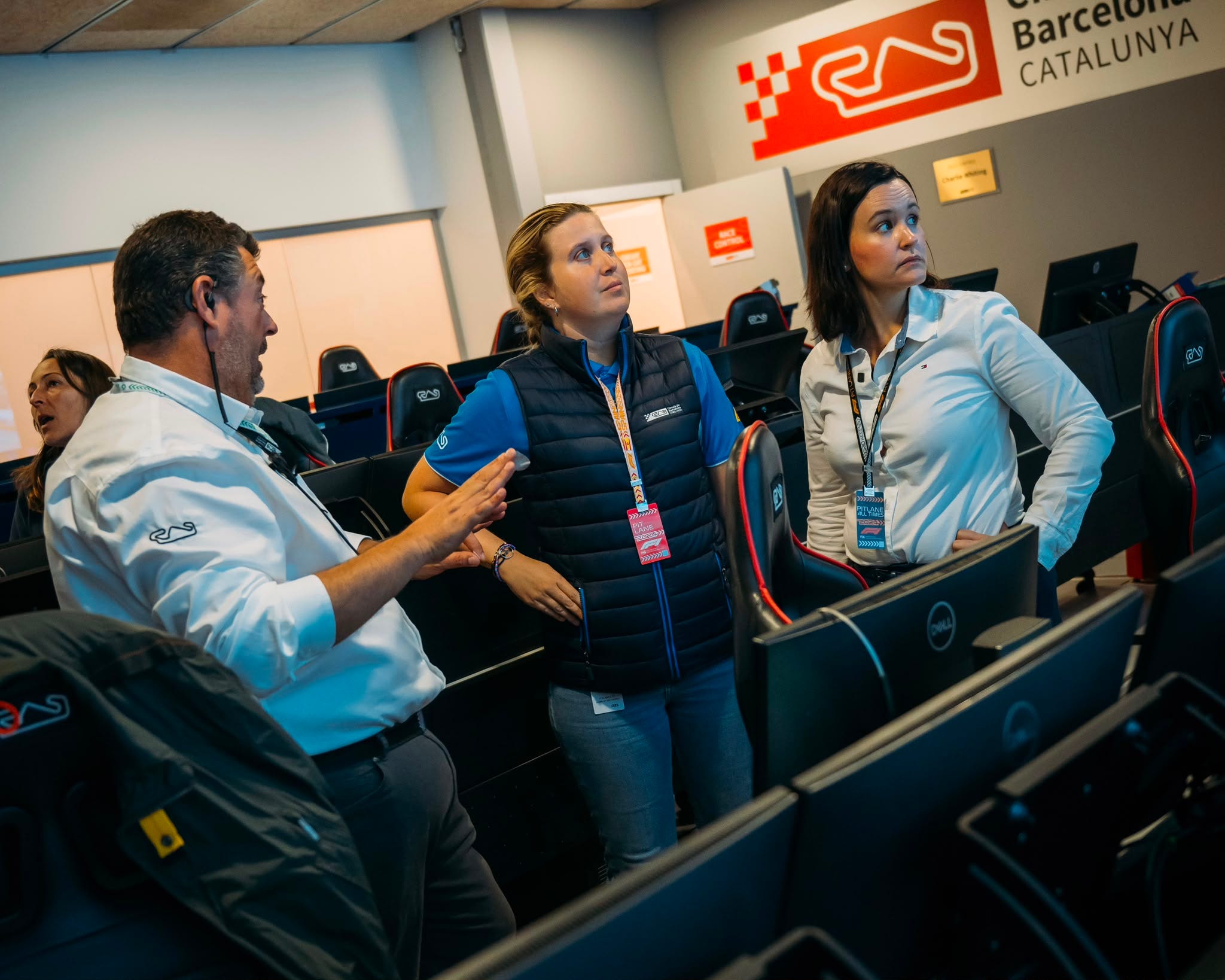
Neus Santamaria is Deputy Race Director for F1 ACADEMY, working alongside Silvia Bellot. With no history at Silverstone to draw on, they have to go back through F2 and F3 records at the same track instead, mapping out what could go wrong before it does. They arrive on Tuesday, and because racing alongside Formula 1 and the supporting categories means being first on track and last to leave, the mornings start early.
On Wednesday, they run through everything with the local team — getting all the ideas in sync, like how transfers work, schedules, and any track-specific procedures, so they can settle in and get their bearings before things start. Wednesday is also time for the trackwalk with everyone from the FIA, which helps them get a proper look at the track and flag anything that needs identifying. That way, by Thursday — well ahead of the drivers’ briefing — there’s enough time to organise all that information and spot any problems that need solving.
“Thursday is always the longest day, because it’s the last day of preparation, and it always feels endless. Then, on Friday, we’re straight onto the track, and unfortunately, racing alongside F1 means we’re always the first to start and the last to finish. So Friday always means we’re here very early and without breakfast, and we’re the last ones to leave,” Neus told us.
It’s just her and Silvia running it, alongside a local director and two operators. If one of them can’t carry on, the other has to be able to take over everything without a gap. “In China, one year Silvia got sick, this year it was me,” she said. “It’s about being able to say, this one’s yours, I’m getting up and I’m leaving, and the other person just keeps going.” They’ve worked together since F1 ACADEMY’s first season, and it’s the years of shared routine, she said, that make a handoff like that possible without anyone outside race control ever noticing.
Preparing the drivers
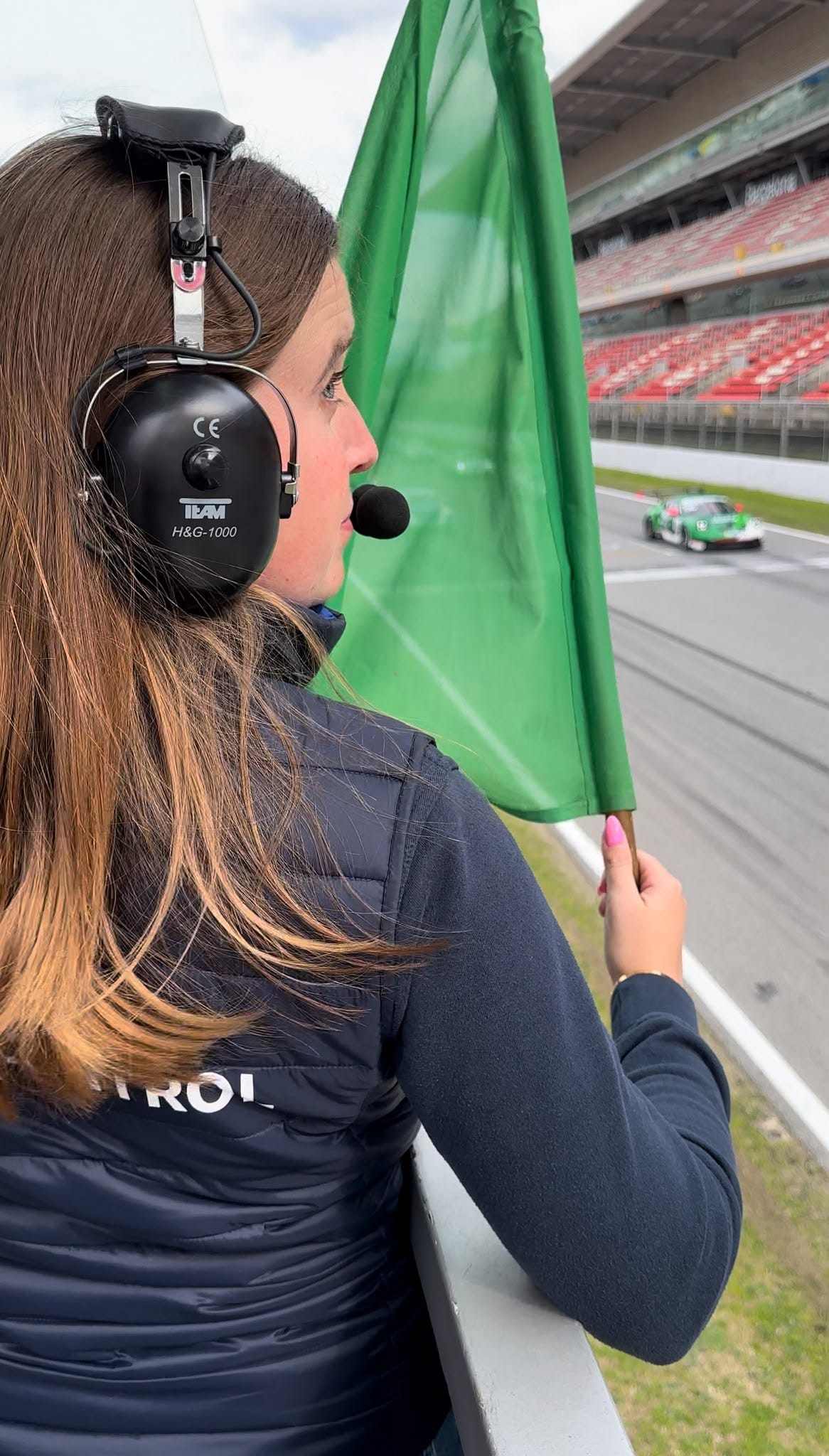
The procedures deliberately mirror Formula 1, Formula 2 and Formula 3, because the drivers and teams here are heading into those categories next, and teaching them a completely different system now would only cause confusion later. That consistency sits alongside a lot of patience with drivers who are new to all of it: a full day of what Neus calls Sporting Training before the season starts, repeated for every Wild Card who joins for a single weekend, and an informal round of every garage after each session, specifically so nobody has to go looking for an answer.
Before the season starts, they dedicate a full day just to Sporting Training, during the academy’s test days and also when they run the rookie test. “Poor things, I always tell them it’s my ‘nagging day’, because I spend the whole day there explaining regulations and procedures, and going through incidents with them — things that happened in previous seasons that we didn’t like, even if they weren’t penalised at the time, but things we don’t want to see,” Neus said.
The goal is to get them to recognise what they’ve done wrong, or things they don’t want happening again. “We’re pretty relentless about it,” Neus told us. They even have what they call a Brief Presentation for each calendar event, which means the drivers can always go back and review everything, and they run that same training with every Wild Card who joins the grid for a race.
“It’s a paddock that’s very close-knit, both with the drivers and with the teams. Whenever they have any kind of doubt, they always show up at the office to ask, or we do a round of all the teams once each session ends,” Neus told us. “It’s always very easy for them to ask anything. There’s always a lot of communication, and that’s something we really appreciate.”
For Neus, communication is precisely what makes the weekend go smoothly, no matter what happens on track. And that starts from the day they arrive and do the briefings, through to free practice and race day.
Preparing the cars
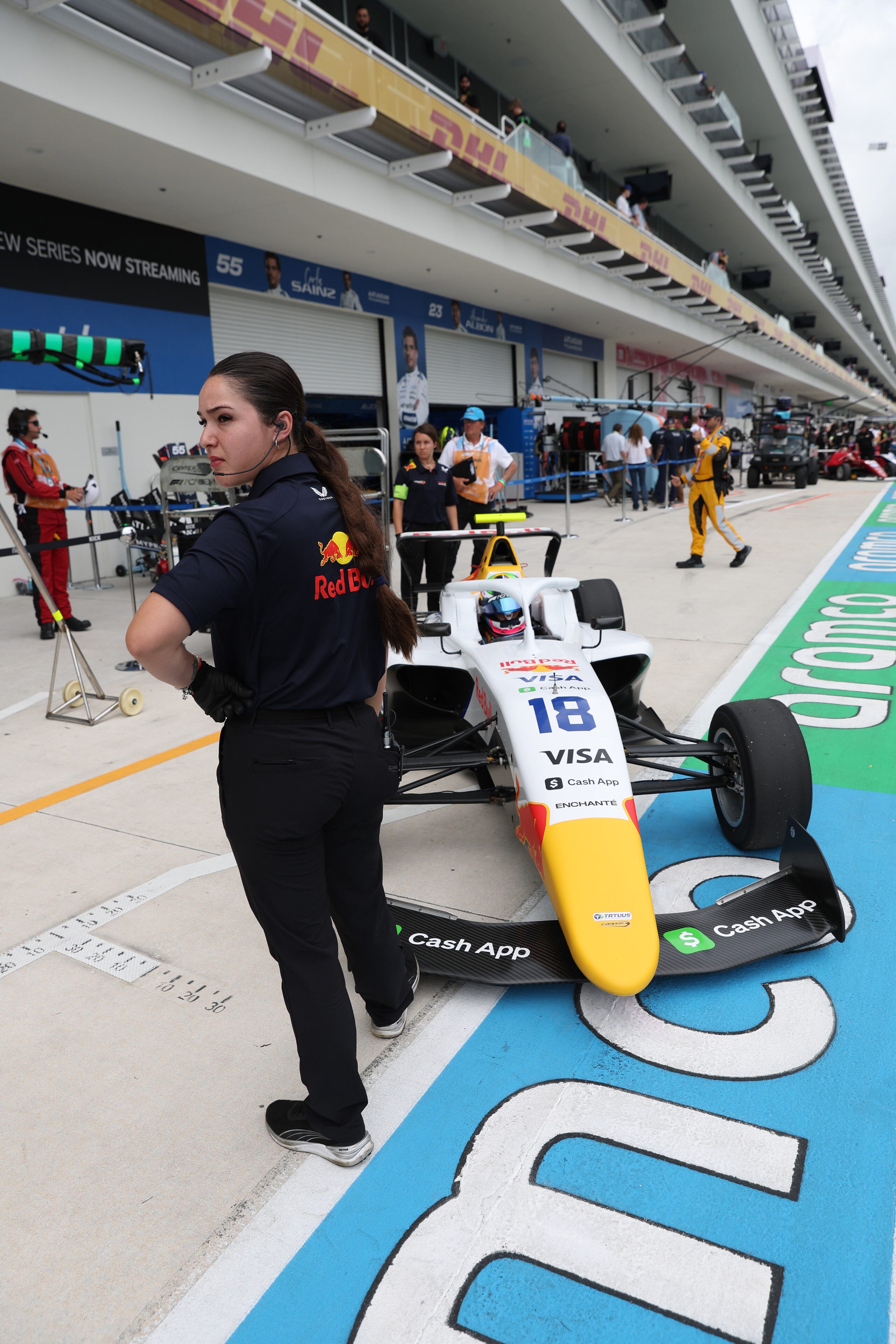
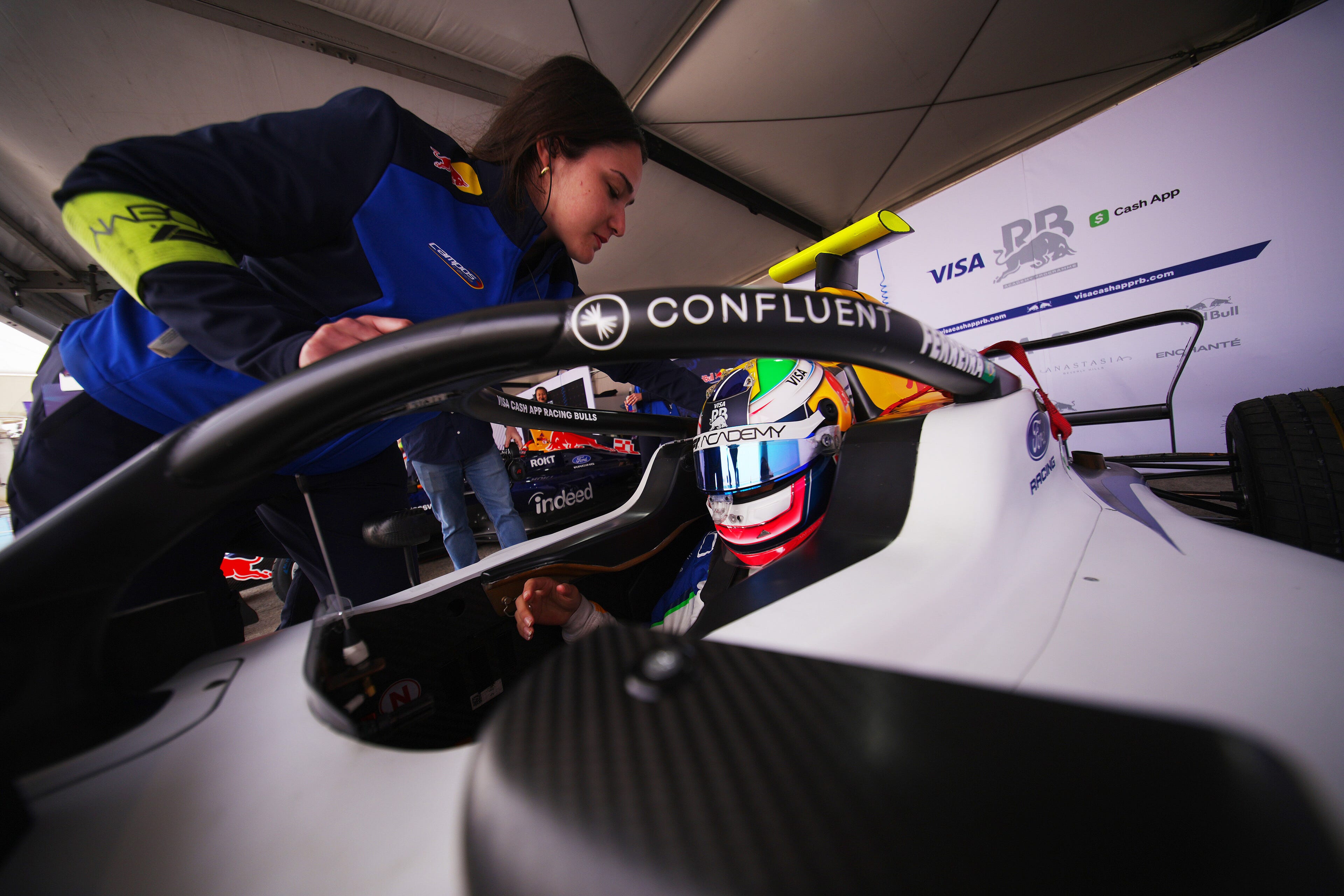
While Neus is juggling briefings, procedures, and the race itself, Nekane Muros and Adriana Gallardo are elbow-deep in one of the cars on the grid. As first mechanic and second mechanic for Rafaela Ferreira at Campos Racing, they’re responsible for the car — keeping it in good condition, fixing any problems, and making sure everything functions. They also arrive early in the week so they can build the box and prepare it.
“At the end of the day, it’s kind of like they always say — a bit like a fairground, basically. My dad’s always told me that,” Nekane told us.
They have a couple of days to service the car, review what’s most important, and then prepare it — and the team — for the race weekend. Their paths cross with Neus’s during meetings to discuss alternative routes for moving the cars, how to get to the paddock, and even which equipment they have access to, like a buggy or a trolley.
The staffing behind each car is more layered than it looks. “Right now, the structure at F1 ACADEMY for each team is three first mechanics, two second mechanics, a head mechanic, three engineers, and then the team manager. At the end of the day, with an F4 car, which is fairly straightforward, you can manage with one mechanic, but it always helps to have a second one for when you need a hand, or simply because four eyes always see more than two,” Nekane told us.
Fans know qualifying as one of the defining moments of a race weekend, but it’s just as high-stakes on the other side of the pit wall. For Nekane and Adriana, it’s one of the most stressful parts of the job too.
“Qualifying is where you put everything on the line,” Nekane told us. “In a race, you can always make up ground or lose it, but qualifying, at the end of the day, is what determines where you start. And that’s pretty important when it comes to knowing whether you’ll be at the front or the back of the grid.”
For Adriana, pit stops to switch to wet tyres are also quite stressful. “If it starts raining and all the cars have to come in to switch to wet tyres, we end up doing pit stops for three cars back to back, and that’s when it gets complicated. We’re short on hands,” Adriana told us.
Working while everyone watches (and touches)
The British Grand Prix is closer to a festival than a race weekend, and it showed. Fans were on site from Thursday, which meant the F1 ACADEMY paddock had waves of visitors and curious kids from the very start. Thursday, specifically, was Discover Your Drive day, the series’ initiative for bringing young girls into motorsport. Dozens of them moved through the paddock that morning, asking questions, meeting drivers, looking at the cars up close. Over the rest of the weekend, hundreds of fans also had free access to the paddock. This can sometimes be troublesome for the teams.
“A lot of people aren’t aware that, at the end of the day, we’re there working, and it’s great that they come, that they visit us, that they ask us things — I love it,” Nekane told us. “I’m someone who, if you ask me something, I’ll answer, no problem. But that’s if I’m in a calm moment. If I’m under pressure... beyond the work itself, it’s also about respecting the work the mechanic is doing.”
Nekane compared this issue to how you wouldn’t go to a hairdresser and touch the scissors while they’re cutting someone else’s hair. “Earlier, we were setting up the car, with the scales checking the weights, and there were people removing the foam where the steering wheel sits. And in the end, if for whatever reason we’re looking at the scale and someone’s touching the car, we might not even notice.” The risk is that the mechanic might assume something’s wrong with the car, throwing off the whole process. On top of that, there are people within the teams who aren’t allowed to touch the cars at all, so an innocent gesture like that can turn into a sanction.
A recent example happened at Spa, where F2 driver Noel León was disqualified from the Belgian Feature Race after a Campos guest mistakenly picked up a headset during a red flag period. The Mexican driver was stripped of his race result, and Campos received a suspended 25-point championship deduction.
Despite it all, there’s one principle Nekane and her team never let go of: staying calm.
”If you work fast but calmly, you’re always going to do things better and with a clear head. So I think that for a weekend to go smoothly, it’s about keeping things under control and being aware of what you’re doing,” Nekane told us.
The drivers’ job before the job
What Neus, Nekane, and Adriana work for is to make things go smoothly so drivers can compete. And while competing is a very important part of their job, what’s easy to forget when watching from the stands is that getting there is its own job entirely, separate from the driving.
Across Thursday and Friday, especially, F1 ACADEMY drivers move through media commitments, content shoots, brand appearances, autograph sessions, and an open paddock that puts them in direct, sustained contact with fans, creators and journalists for hours at a stretch. None of that is incidental in the job. It’s part of what the series is built on. But it does mean a driver shows up to race already having spent full days doing everything the job requires except actually driving.
Some drivers had other things pulling at their attention that same weekend. Nina Gademan, for one, had her seat fitted only days earlier for an F1 car she was due to drive at the Goodwood Festival of Speed — a rare opportunity most drivers her age never get, and the kind of thing that’s hard not to think about. However, when her team offered to walk her through the procedures for it, she asked them to hold off. “Tell me after the weekend,” she said. And that’s not a driver overwhelmed by everything stacked on her calendar. It’s the opposite: a driver making a deliberate call to protect her own focus, choosing exactly what to let in and when, so that nothing due later in the week could pull her attention away from the job in front of her at Silverstone. Not even driving a Formula 1 car.

As the week progressed, things ease off slightly. On Saturday and Sunday, there are fewer commitments and a sharper focus, both days building toward the races. And during the British Grand Prix, the stands were packed: not just with fans in general, but with people who’d shown up specifically for F1 ACADEMY, despite session times squeezed into some fairly unglamorous slots around a jam-packed weekend. It says something about both how far the series has come and about a country that has always taken its racing seriously.
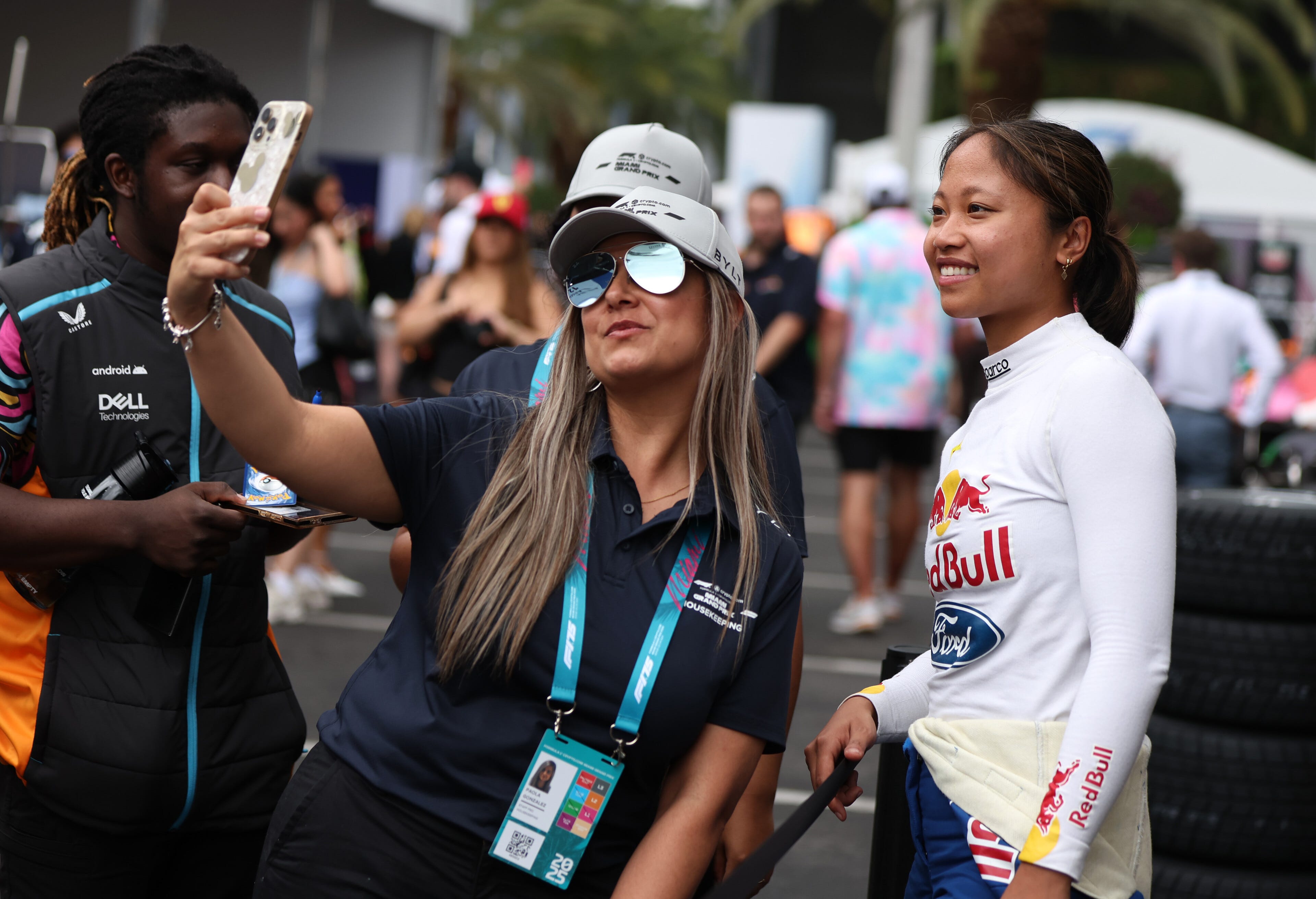
Watching it all happen at once, Neus and Nekane’s words made sense: none of it felt hectic. Underneath the noise — the fans, the people building the paddock, the people running the sessions, the people keeping the cars alive, the drivers themselves — was the same thing, over and over: calm and communication. That’s the part fans never see, and what actually makes an F1 ACADEMY weekend run smoothly.