


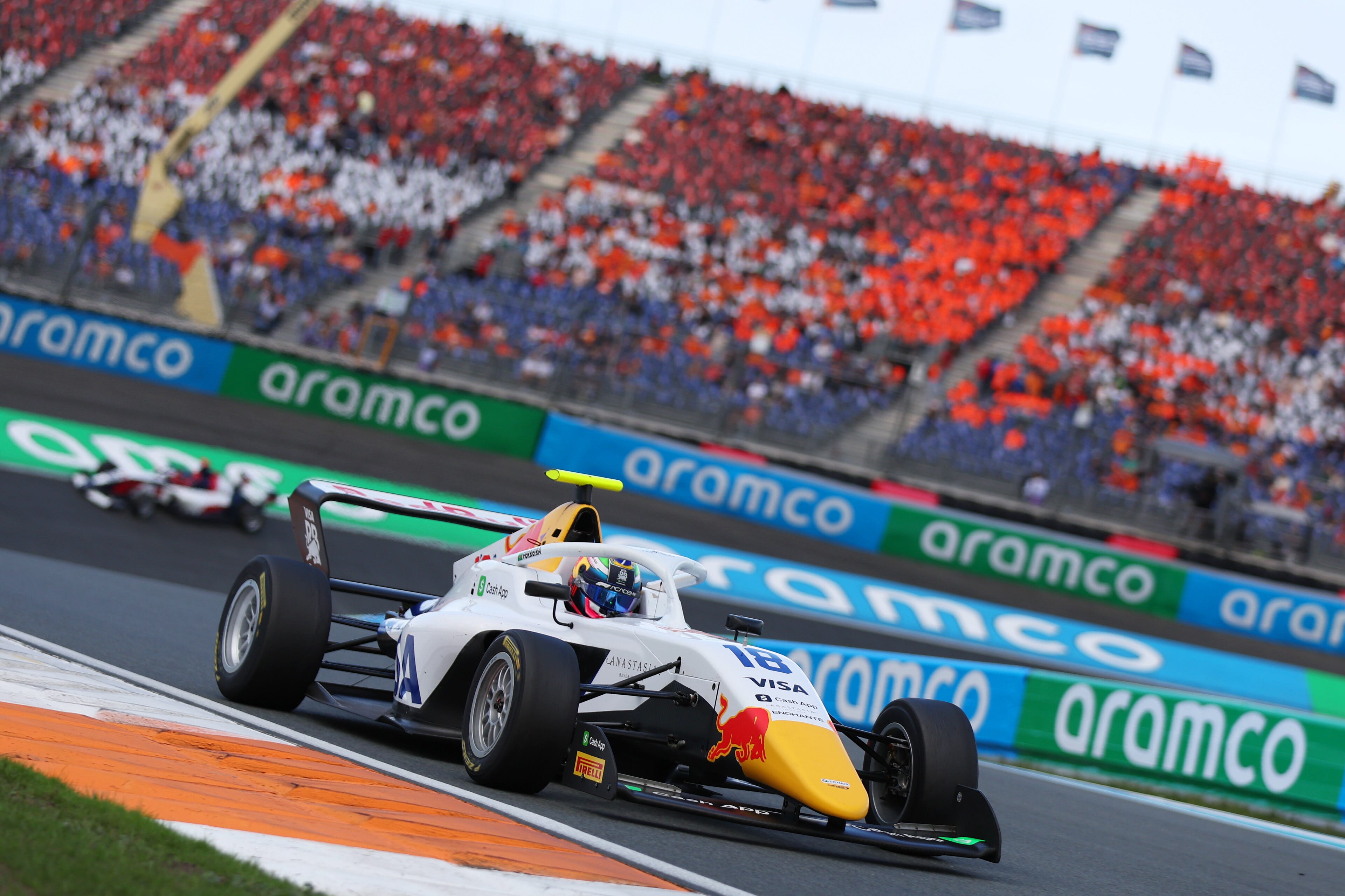
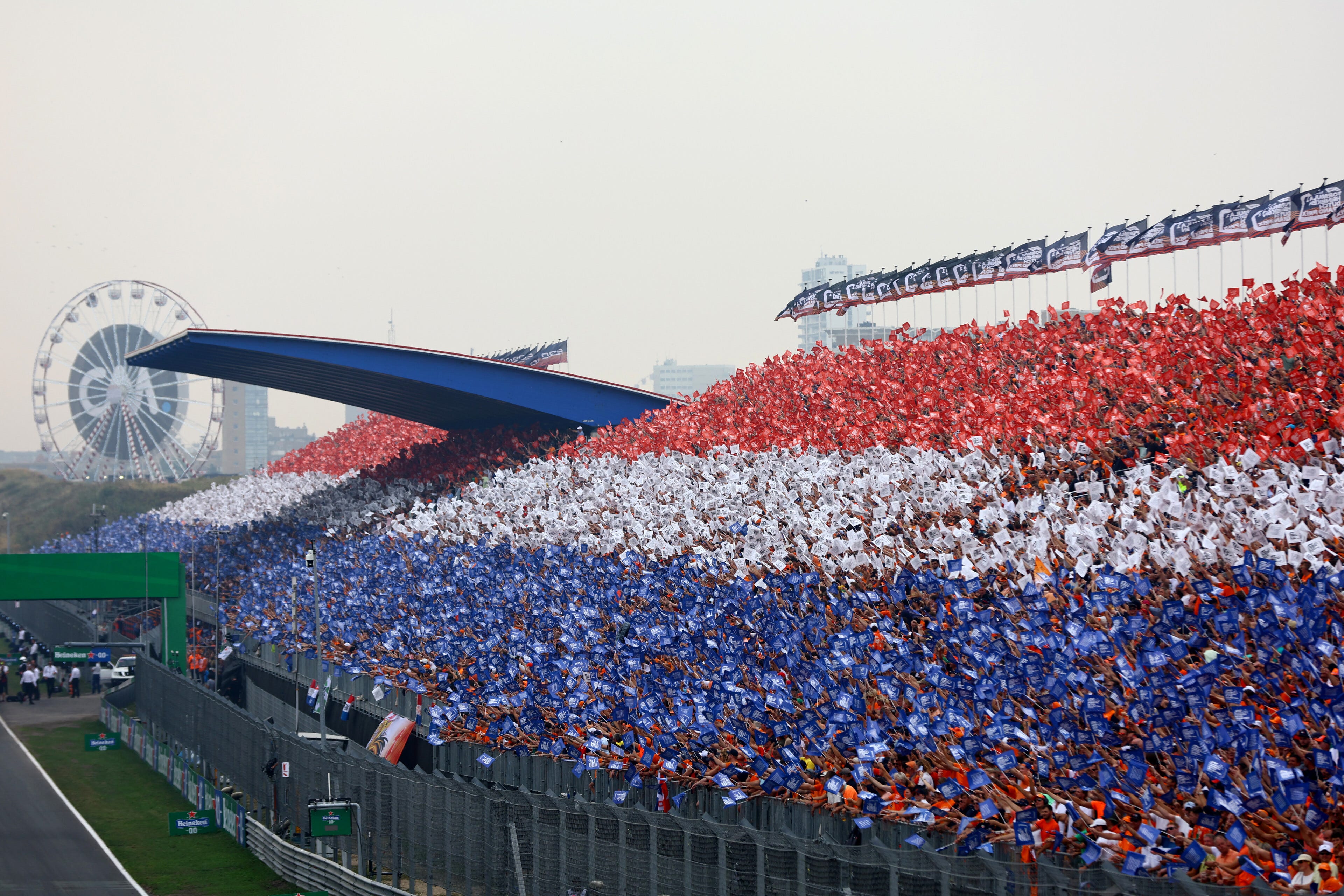
The Dutch Grand Prix is one of the most distinctive F1 weekends in the calendar, but after this year, there won’t be another one. Zandvoort’s return to the calendar in 2021 gave the sport one of its most beloved fixtures: a compact, sand dune circuit on the North Sea coast, wrapped almost entirely in orange. Over one million fans have passed through the gates since then to watch Max Verstappen race in front of his home crowd, and the “Orange Army” atmosphere is unlike anything else in motorsport. But rising costs and F1’s European rotation system have made the event financially unsustainable beyond this year.
That makes the 2026 edition a genuine farewell weekend, with the first Sprint ever held in the Netherlands and Round 4 of F1 ACADEMY. Amsterdam is barely thirty minutes away by train, so if you have a few extra days, the “Venice of the North” is ready to be explored before, during or after the race weekend.
Zandvoort, racing between dunes and an Orange Army
Circuit Zandvoort has hosted Formula 1 on and off since 1952, but its modern era began in 2021, when it returned to the calendar after a 36-year absence and quickly became one of the sport’s most distinctive stops. The circuit’s banked corners, built into the dunes along the coast, are unusual by modern F1 standards and give the track real character. It’s also a track F1 ACADEMY knows well, as the category has raced at Zandvoort every year since its first season in 2023. The Netherlands has been well represented on the grid throughout, not just with Max Verstappen, but also with Maya Weug and Emely de Heus, who competed in earlier seasons of F1 ACADEMY, and Nina Gademan and Esmee Kosterman, who are on the current grid.
To get a real sense of the weekend, on and off the track, we turned to Reilly Menchaca, founder of Grid Girls Club, who organises group trips for women to attend Grands Prix around the world and is bringing eleven women to Zandvoort for her second consecutive Dutch GP trip. And Chelsey Emma, a Dutch motorsport content creator and founder of Her Racing Club, an international community for women who love F1 and motorsport, who knows Amsterdam and Zandvoort inside out.
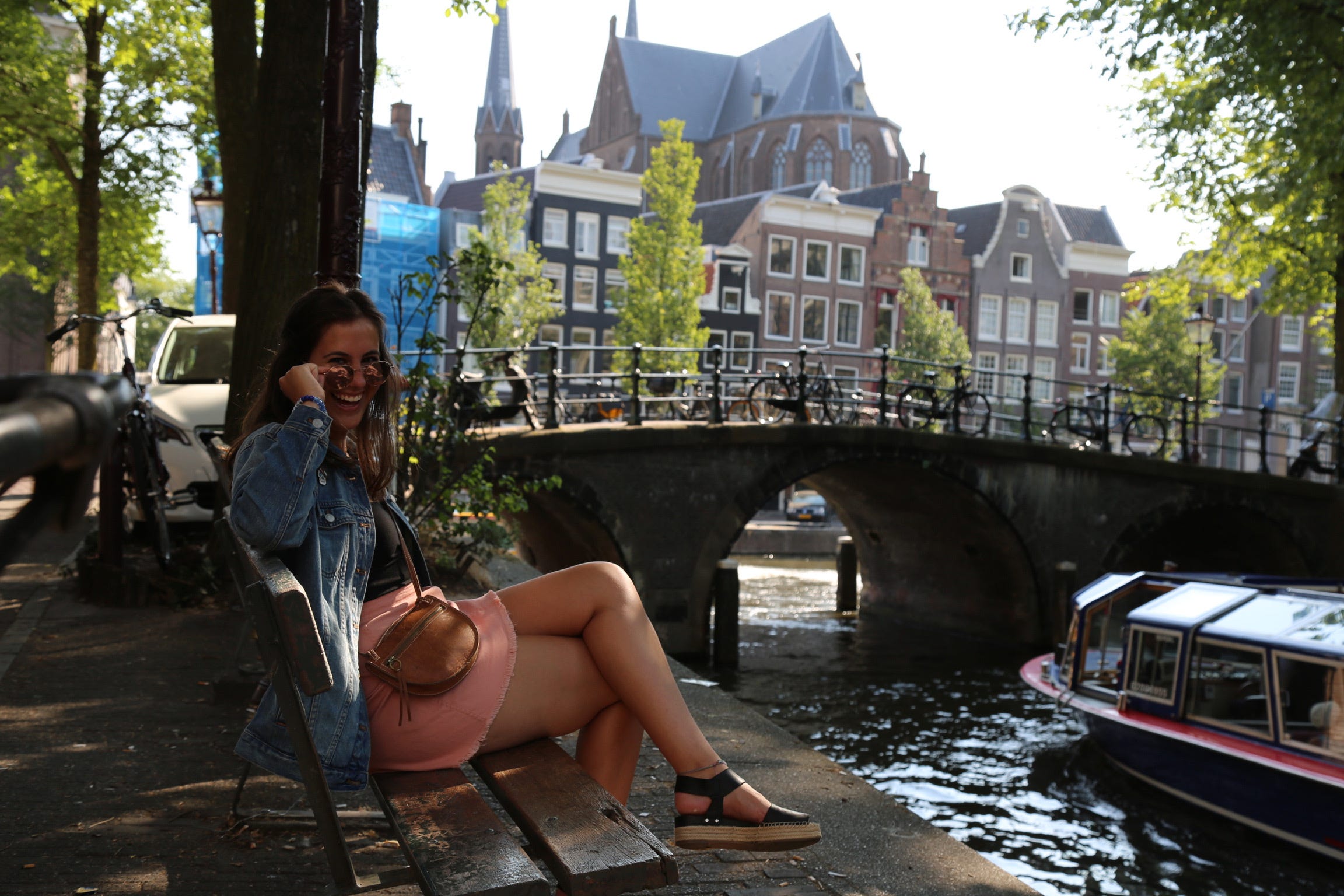
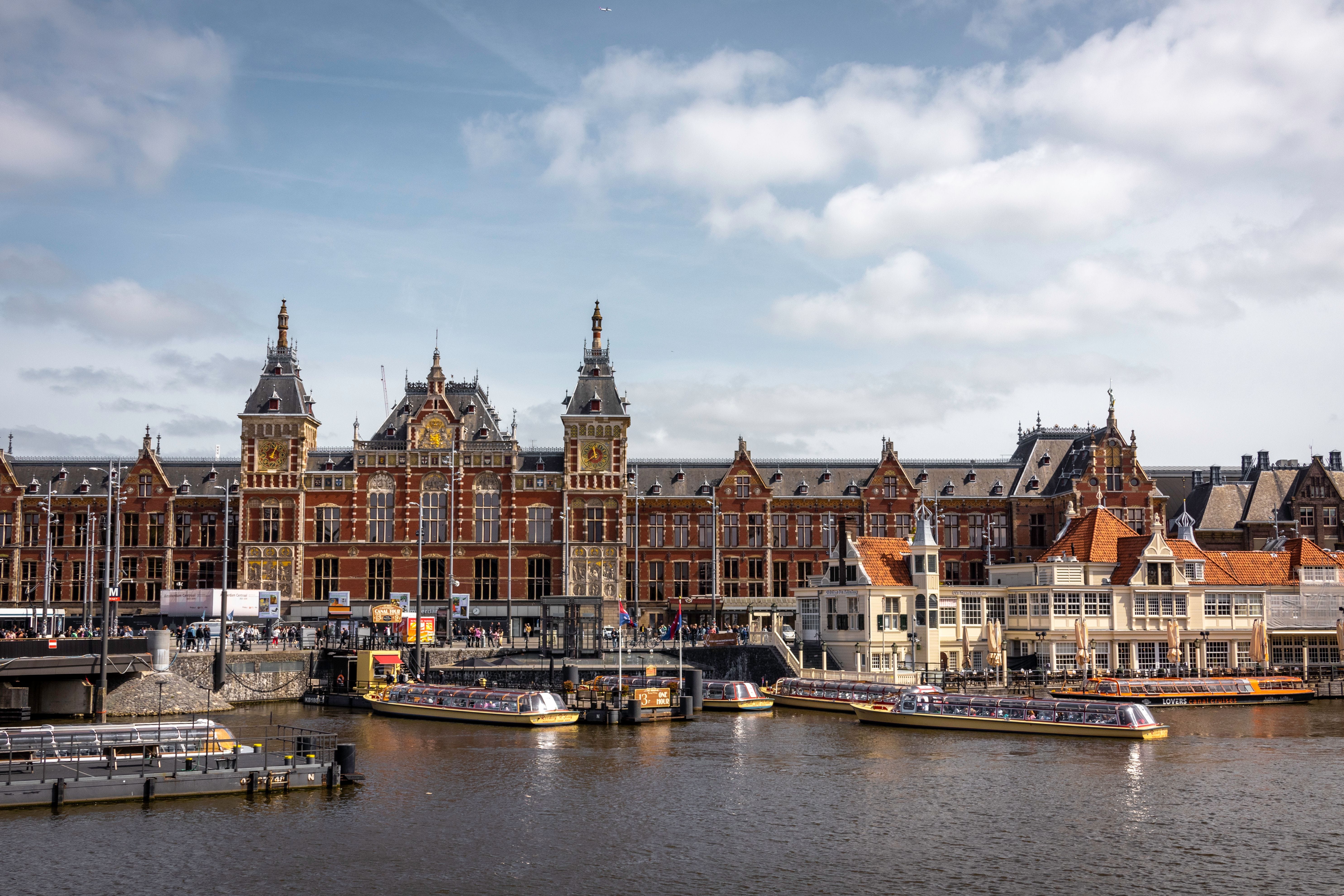
“Amsterdam has two sides, so there’s truly something for everyone,” Reilly says. “There’s beautiful architecture, iconic canals, beautiful museums, as well as techno parties if you want to rave all night. It’s a choose-your-own-adventure city.”
For Chelsey, Amsterdam is also a natural extension of race weekend. “You have the canals, beautiful architecture, museums, great food and nightlife, but you can also just rent a bike and explore the city like a local. For a Dutch GP weekend, I think it’s also a great base because you can combine the race with a proper city trip.”
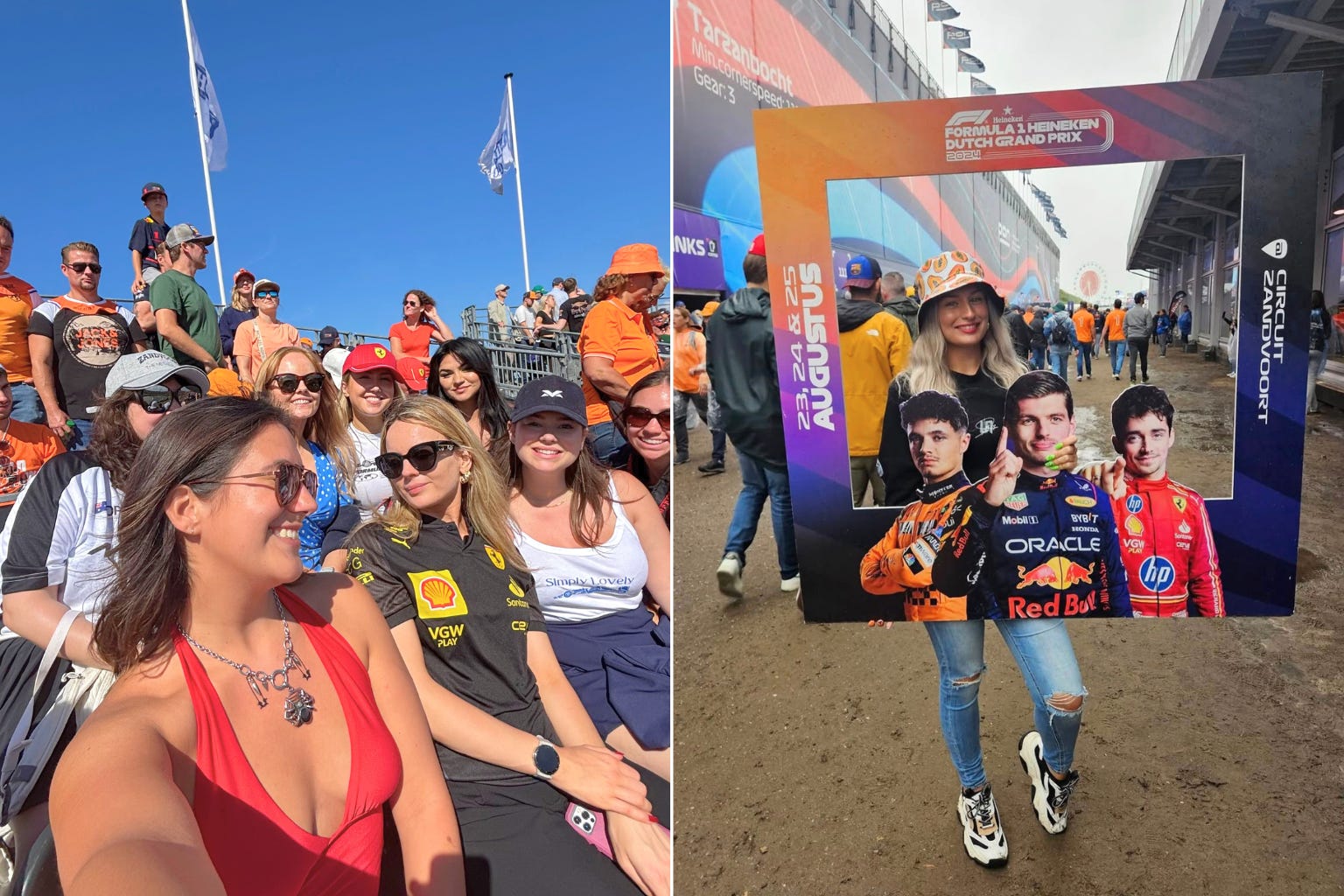
What’s happening at the 2026 Dutch Grand Prix?
The final Formula 1 Heineken Dutch Grand Prix runs from 21 to 23 August at Circuit Zandvoort, and for the first time, it includes a Sprint weekend. F1 ACADEMY is back for Round 4, with its regular schedule alongside it, and the Porsche Supercup completes the on-track lineup.
F1 ACADEMY has raced in Zandvoort since the series’ first season in 2023, and the Dutch round has quickly built a history of its own. Last year, both races went to Dutch drivers. Nina Gademan took race one, a maiden win at her home race, on her own birthday, and not her first Zandvoort victory either: she’d already won here as a Wild Card back in 2024, the first driver ever to do so. Race two went to Maya Weug, who went on to finish the season as championship runner-up.
Gademan currently sits third in the standings and will be looking to close the gap on the leader with a strong result on home ground.

Entertainment inside and outside the circuit
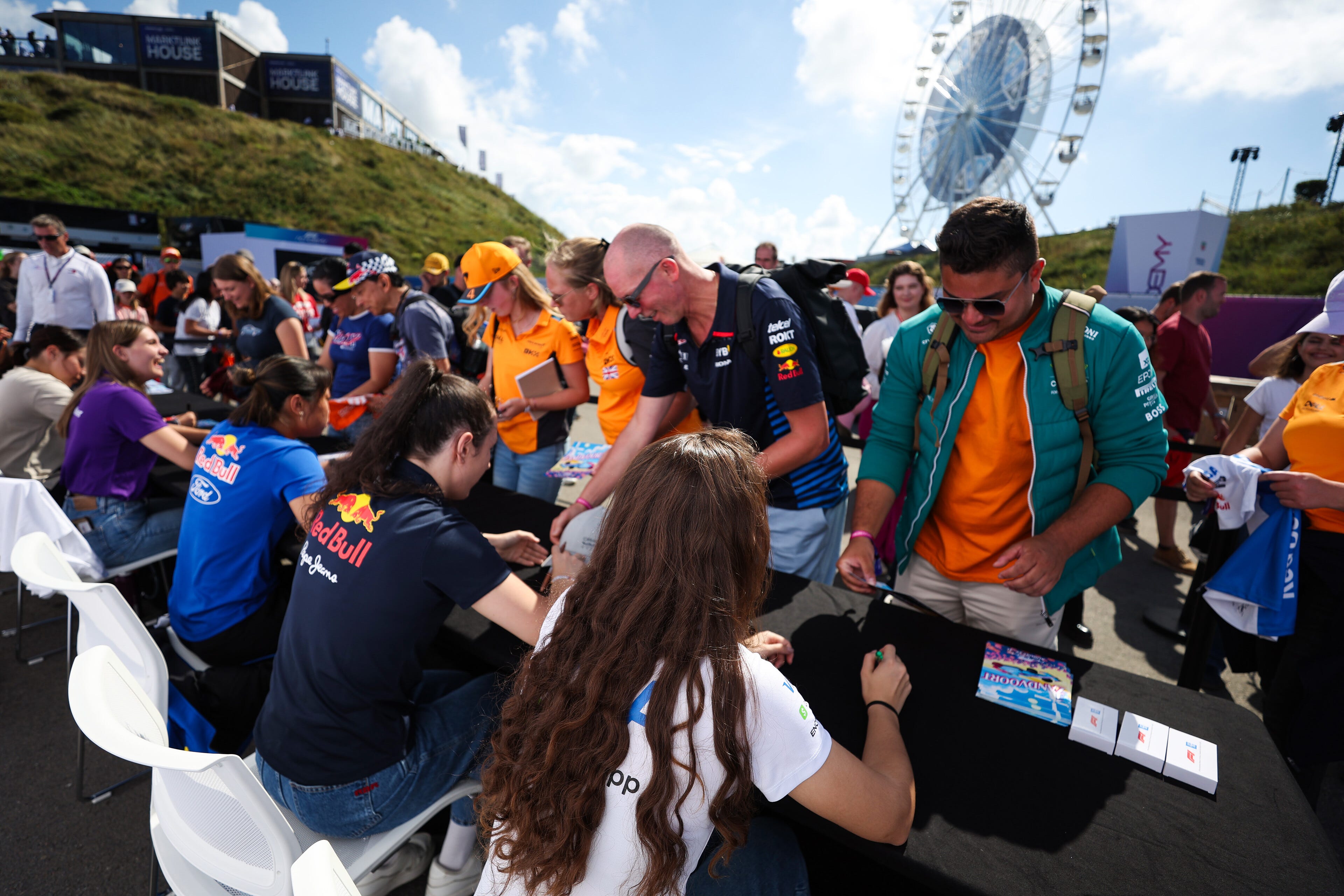
Beyond the racing, F1 ACADEMY is hosting Discover Your Drive on Thursday, 20 August, a workshop connecting fans with women working across different roles in motorsport, including a paddock tour and career-path talks. They will also have an open paddock, so you can get a close-up look at the all-women series and maybe even get to speak to the drivers or take a selfie with them.
The official entertainment of the circuit includes a giant Ferris wheel, a pit stop challenge, driving simulators and live driver Q&A sessions, along with a full music lineup: Afrojack, Snelle, Flemming and Kraantje Pappie playing across the weekend, with Martin Garrix closing it out as the grand finale act. Compared to some of the bigger stops on the calendar, Zandvoort stays very focused on the racing.
“The Dutch GP is a relatively compact and straightforward Grand Prix experience,” Chelsea says.
“Compared with some of the bigger F1 events, such as Silverstone, there isn’t an enormous amount happening around the circuit. You have the standard fan zone, food and drink areas and the usual F1 activations, but the experience is quite focused on the racing itself.”
Don’t expect much beyond the circuit gates, either. Unlike Grands Prix where brand pop-ups spread across the host city for a full week, Dutch GP activations stay concentrated entirely at Zandvoort, there’s nothing tied to the race happening in Amsterdam itself.
Where to stay: Amsterdam or Zandvoort
If it’s your first time, Amsterdam is the safest bet. Reilly recommends De Jordaan, a neighbourhood close to the canals and conveniently near Centraal Station, where trains to Zandvoort depart. Her personal favourite neighbourhood is De Pijp, for its cafés, shopping and generally trendy feel. On hotels, she suggests SUPPER for something memorable and a bit unconventional, or Hotel Alexander near Vondelpark and Museumplein if you’d rather be close to the museums.
Staying in Zandvoort itself is possible, but it comes with real logistics to plan around, Chelsey warns. “Accommodation in Zandvoort tends to sell out very early for the Dutch GP, so if you want to stay there, booking as early as possible is essential.” And crucially, the town restricts car access during race weekend: only residents, guests with confirmed Zandvoort accommodation, or people with specific exemptions can drive in. Because of that, most fans stay in towns around Zandvoort or in Amsterdam and travel in daily. Her main tip for anyone struggling to find accommodation in Zandvoort: don’t stress over it.
“Staying further away can actually be a much more practical option, just plan your transport in advance and remember that driving into Zandvoort itself is heavily restricted during the GP weekend.”
She also warns that leaving the circuit at the end of the day means thousands of people moving at once, so it’s worth avoiding plans immediately after and allowing extra time to get back.
Where to eat, drink, and explore
Amsterdam’s food scene has range. Chelsey recommends starting with the classics: stroopwafels, bitterballen, poffertjes and Dutch fries, and herring if you’re feeling brave (”that one definitely isn’t for everyone,” she admits). For a proper local food experience, De Pijp and its Albert Cuyp Market are hard to beat. Reilly adds Madre for vegan Mexican and Mama Makan for what she calls the city’s best Indonesian food, a legacy of Dutch colonial history, plus SUPPER for something more theatrical, a three-hour dinner on low couches with acrobats overhead.
One thing worth knowing: a café and a coffeeshop are not the same in Amsterdam; coffeeshops sell weed (which is legal in this city), cafés serve coffee, and mixing up the two makes for a very different afternoon.
For nightlife, Reilly’s techno picks are Nyx, Paradiso and Radion, while Rembrandtplein covers the more commercial tourist bars, still worth a night if that’s the mood, and SkateCafe in Amsterdam Noord is her local favourite. Chelsey steers people toward Jordaan or De Pijp for drinks, and specifically toward a traditional Dutch “brown café,” a cosy, old-fashioned neighbourhood pub.
“One of the most Dutch things you can do is simply get a coffee and something sweet, sit outside when the weather is good, and enjoy a few hours without having a strict plan,” Chelsey says.
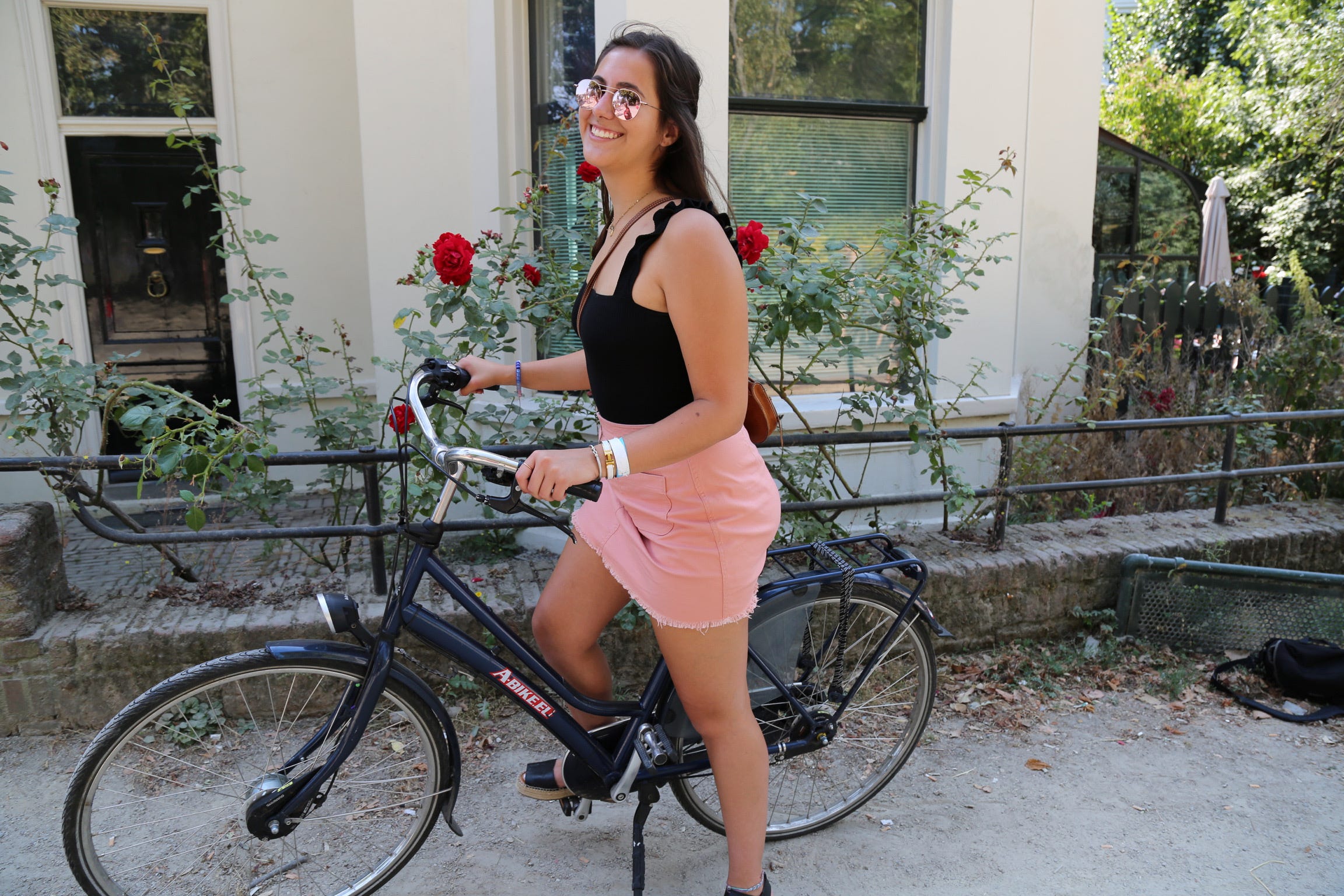
For sightseeing, the Rijksmuseum comes recommended by both, with Chelsey adding the Van Gogh Museum and a canal cruise, and Reilly the Moco Museum for its Banksys and the Anne Frank House (book six weeks ahead, slots fill in minutes). Beyond the obvious, Chelsey suggests wandering Jordaan, De Pijp and Vondelpark, or heading to Amsterdam Noord’s NDSM Wharf, a former shipyard turned creative hub. Renting a bike is her top tip for feeling like a local, just stay out of the bike lanes. “Dutch cyclists take their bike lanes very seriously, and you will definitely hear a bell if you’re standing in the wrong place,” Chelsey highlights.
Once you’re in Zandvoort itself, the town transforms for the weekend, Chelsey says: “The whole town has a completely different atmosphere, with F1 fans everywhere.” Beachfront restaurants tend to be average and overpriced, though Reilly makes an exception for Bandai Thai nearby.
Getting to the circuit
Circuit Zandvoort sits about thirty minutes from Amsterdam by train, making it one of the most convenient “old school” circuits on the calendar, but getting there isn’t quite as simple as hopping off and walking in. Public transport is heavily reinforced for the weekend, including a special “Max Express” train service and extra buses, but driving is heavily restricted during race weekend: only residents, guests with confirmed Zandvoort accommodation, or people with specific exemptions are allowed to bring a car into town.
Chelsey recommends the train overall, though it comes with a long, winding, if scenic, walk once you get off. As a local living 2 hours away from the circuit, she personally prefers Park & Ride: driving to a designated lot outside the restricted zone, in her case in Amstelveen, and taking a bus straight to the circuit entrance, which she finds far easier than trying to get near Zandvoort by car.
Another option is getting there by bike. Not for everyone, but you can’t get any more local than that. According to circuit data, more than half of Dutch GP attendees arrive by bike, which says a lot about how central cycling is to the whole event.
Reilly organises shuttles for her group specifically because, while the trains themselves are quick, boarding queues get seriously backed up, especially heading out on Sunday and returning on Saturday. There are also official buses organised by the Grand Prix that take you from and to Amsterdam city centre. If you get stuck waiting, there are a few beachfront restaurants nearby to sit out the crowds. Even if the food isn’t the highlight, the scenery definitely is.
Last chance to experience the Dutch Grand Prix
After this weekend, the Dutch Grand Prix will sadly disappear from the calendar, closing out a five-year run that turned a small dune circuit on the North Sea into one of the most distinctive stops in the sport. If Zandvoort has been on your radar, this is the year to stop putting it off. Tickets are, at the time of writing, still available through official channels, but given this is the farewell edition of a race that has sold out consistently since its return, waiting is a gamble.
Part of what makes the weekend worth the effort is the country itself. Dutch social culture runs informal and relaxed and people generally value being themselves over performing formality. Locals respect personal space and won’t necessarily pull you into conversation the moment you meet, but show up to someone’s home and a small gift, flowers, chocolate, a bottle of wine, goes a long way, and don’t be surprised when the bill lands split down the middle. It’s called “going Dutch” for a reason.
Formula 1 and the F1 ACADEMY may not be coming back to Zandvoort, at least not for now, but that doesn’t make the dunes or the canals any less worth the trip. Whatever happens to the race, the town and the city it borrows its crowds from aren’t going anywhere.
*
Grid Girls Club, founded by Reilly Menchaca, hosts girls' trips to F1 races across North America, Europe and Asia, perfect if you want the GP experience without planning it solo. Readers of Its Race Week! get $100 off when they mention us on the sign-up form. Check out upcoming trips on their website or TikTok.